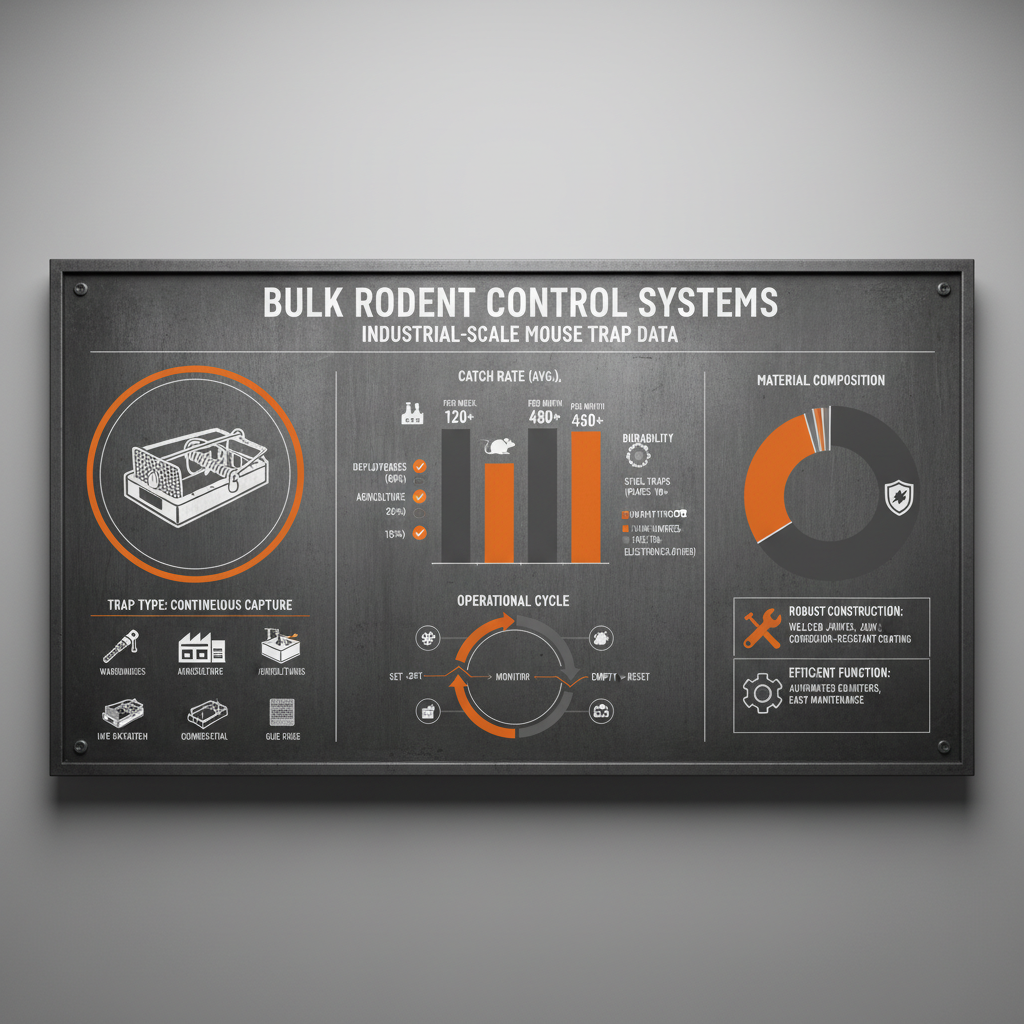
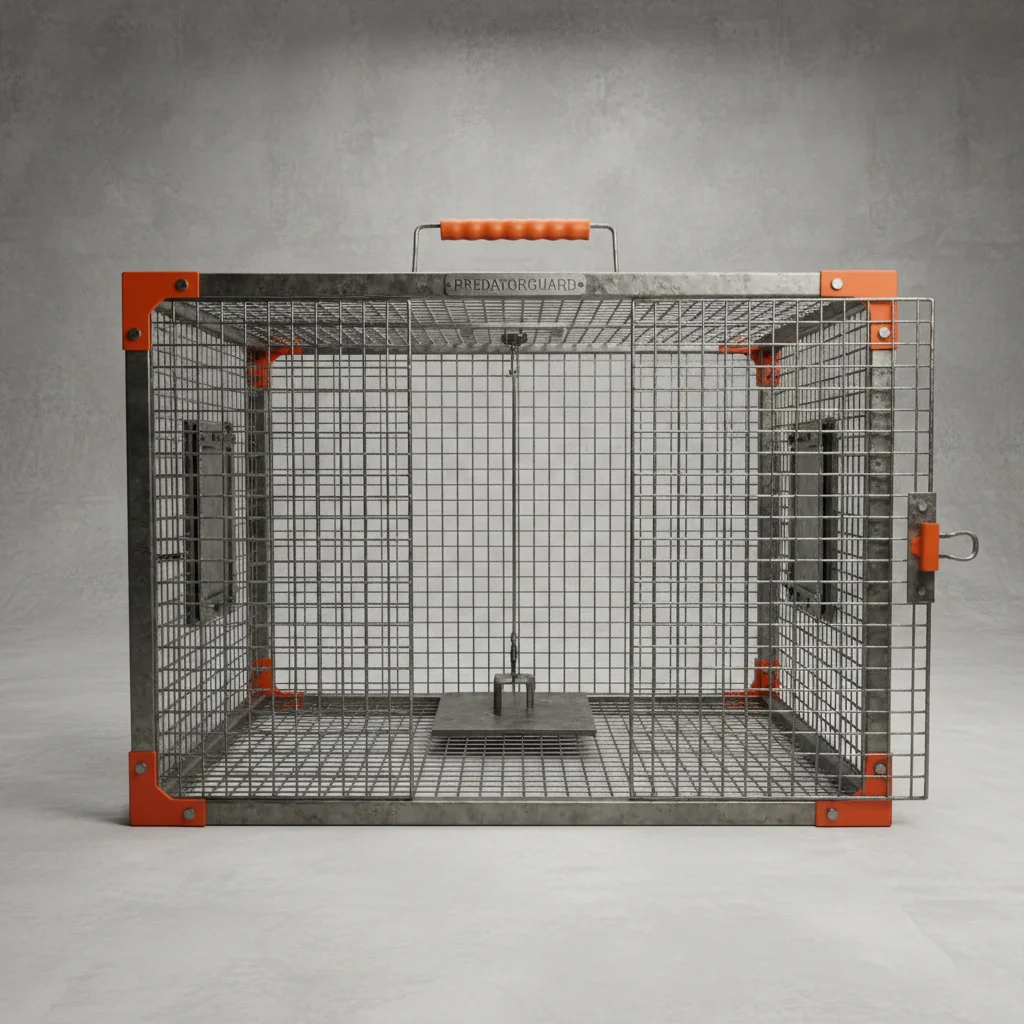
Bulk mouse traps represent a crucial aspect of pest control, particularly in environments where rodent infestations pose significant risks to public health, agriculture, and property. The demand for effective and scalable solutions to manage mouse populations has driven the development and widespread adoption of bulk mouse trap offerings. These aren’t simply individual traps sold in small quantities; they are large-scale provisions designed for professional pest control operators, agricultural businesses, food processing facilities, and governmental organizations tackling widespread rodent issues. Understanding the nuances of these solutions is essential for effective pest management strategies.
Globally, the economic impact of rodent infestations is substantial, leading to billions of dollars in damage annually through crop loss, contamination of food supplies, and structural damage to buildings. The need for preventative and responsive pest control measures is constantly increasing, particularly with growing urbanization and expanding agricultural frontiers. Bulk mouse traps offer a practical and cost-effective solution for addressing these challenges, allowing for proactive and large-scale deployment in areas susceptible to infestations.
The accessibility and affordability of bulk mouse traps make them a viable option for a wider range of users, contributing to improved sanitation, reduced disease transmission, and preservation of food security. This widespread applicability underlines their importance in both developed and developing nations, solidifying their position as a cornerstone of modern pest management practices.
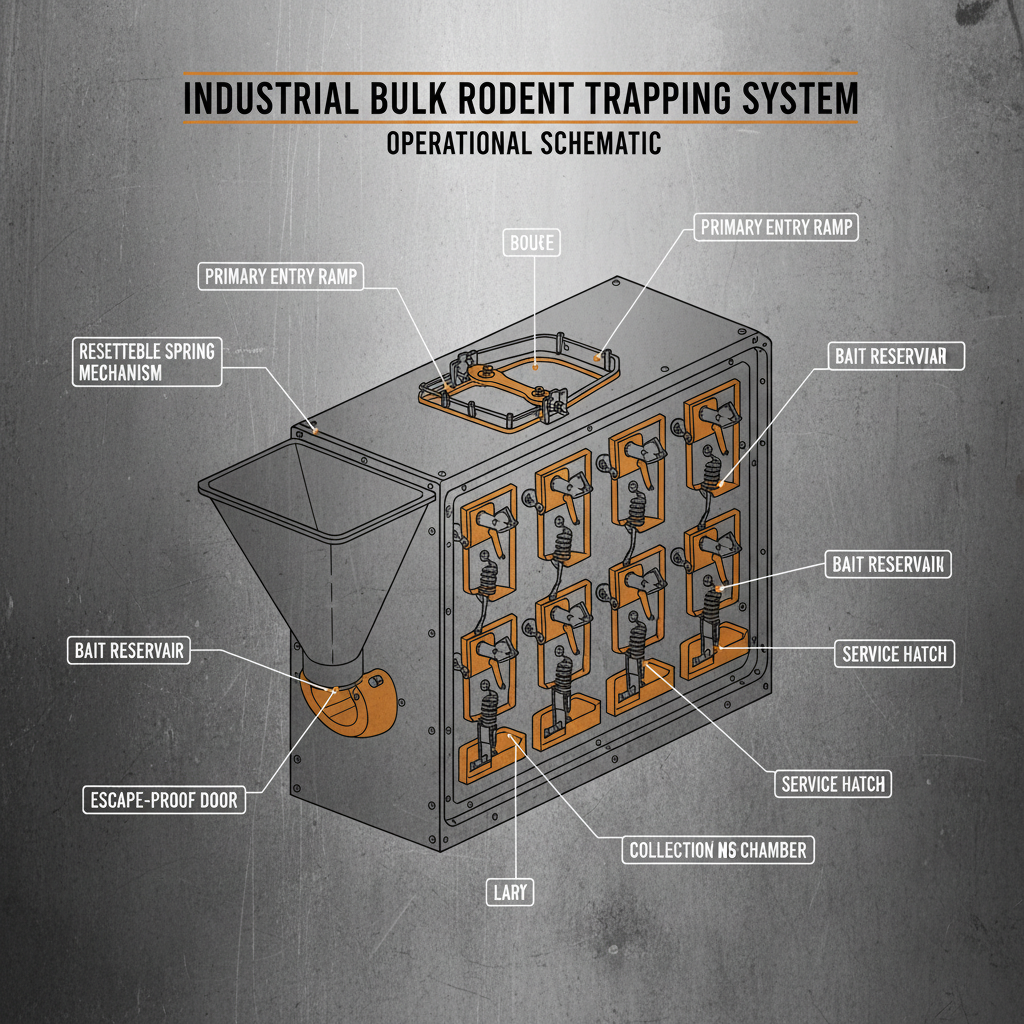
Introduction to Bulk Mouse Traps
Bulk mouse traps are increasingly vital in maintaining hygiene and preventing disease spread across various sectors. They provide a practical, cost-effective method for controlling mouse populations, particularly in areas where infestations are common or pose significant risks. This demand stems from the need to protect food supplies, infrastructure, and public health, making bulk purchases a standard practice for many organizations.
The effectiveness of bulk mouse trap programs relies on strategic deployment and consistent monitoring. Choosing the right type of trap—snap traps, glue traps, or live traps—depends on the specific environment, the severity of the infestation, and ethical considerations. A well-planned approach, coupled with the convenience of bulk purchasing, allows for rapid response and sustained control efforts.
Defining Bulk Mouse Traps
Bulk mouse traps refer to the purchase of a large quantity of mouse traps, typically exceeding what a household might require. These are generally sold in packs ranging from dozens to hundreds, catering to the needs of pest control professionals, agricultural businesses, and large-scale facilities. This purchasing model offers significant cost savings compared to buying traps individually.
The definition extends beyond simply the quantity of traps. Bulk offerings often include a variety of trap types to address different situations—from traditional snap traps for immediate kill, to glue traps for monitoring, and even humane live traps for catch-and-release scenarios. Suppliers specializing in bulk sales frequently provide comprehensive solutions including bait and disposal materials.
In essence, bulk mouse traps represent a streamlined and efficient approach to pest management, focusing on preventative measures and rapid response capabilities. They’re integral to protecting resources and maintaining sanitary conditions in a wide range of industries and settings.
Key Factors of Bulk Mouse Trap Effectiveness
Several core factors influence the effectiveness of bulk mouse trap deployments. Firstly, Trap Type Selection is critical. Different trap designs cater to varying infestation levels and sensitivities. Snap traps offer a quick, lethal solution, while glue traps excel in monitoring and catching smaller infestations. Live traps provide a humane alternative. Understanding these differences ensures optimal results.
Secondly, Strategic Placement is paramount. Traps must be positioned along mouse runways, near entry points, and in areas with evidence of activity (droppings, gnaw marks). Focusing on these high-traffic areas maximizes catch rates. Density of trap placement also impacts success; areas with high infestation levels require closer spacing.
Thirdly, Bait Quality significantly impacts trap success. Mice are attracted to food sources like peanut butter, chocolate, and seeds. Using fresh, appealing bait increases the likelihood of capture. Regularly checking and replenishing bait is crucial for sustained effectiveness. Finally, Regular Monitoring and Replacement is vital; traps lose efficacy over time and need to be checked frequently.
Global Applications and Use Cases
Bulk mouse traps find widespread application across diverse sectors globally. In Agriculture, they are essential for protecting stored grains and crops from rodent damage, preserving yields and preventing economic losses. Large farms and grain storage facilities routinely utilize bulk trap purchases to maintain food security.
The Food Processing Industry relies heavily on bulk mouse traps to uphold stringent hygiene standards. Preventing rodent contamination is critical to meeting regulatory requirements and ensuring consumer safety. Food manufacturing plants, warehouses, and distribution centers employ extensive trapping programs.
In Public Health, bulk mouse traps play a crucial role in controlling rodent populations that can transmit diseases. Municipalities and health organizations use them in residential areas, schools, and hospitals to mitigate health risks. Moreover, in post-disaster relief operations, controlling rodent infestations is crucial for preventing disease outbreaks in temporary shelters and affected communities, making bulk trap provision invaluable.
Bulk Mouse Trap Deployment by Sector
Advantages and Long-Term Value
Investing in bulk mouse traps offers significant advantages beyond immediate pest control. The cost efficiency of bulk purchasing is a primary driver, reducing the per-trap expense considerably. This allows for wider deployment and proactive preventative measures, mitigating potentially larger and more costly infestations.
Furthermore, using bulk mouse traps contributes to long-term sustainability by minimizing crop damage and preventing food spoilage. Reducing reliance on chemical pesticides also aligns with eco-friendly practices and supports biodiversity. Ultimately, effective pest control translates to economic benefits, public health protection, and a more sustainable environment.
Future Trends & Innovations
The future of bulk mouse trap technology is leaning towards smarter, more integrated solutions. The integration of IoT sensors into traps allows for remote monitoring of catch rates, providing real-time data for optimized deployment and preventative measures. This data-driven approach is enhancing pest management efficiency.
The development of biodegradable trap materials is also gaining momentum, addressing environmental concerns associated with traditional plastic traps. Sustainable alternatives are crucial for aligning with eco-conscious practices. Automation and the increasing use of AI in data analysis will further refine pest control strategies, maximizing the impact of bulk mouse trap programs.
Challenges and Solutions
Despite their effectiveness, bulk mouse trap programs face challenges. Trap aversion can occur when mice become wary of familiar trap types. Rotation of trap styles and bait types is crucial to overcome this. Proper disposal of trapped mice and used traps also presents a logistical challenge, requiring adherence to local regulations and hygienic practices.
Another hurdle is ensuring consistent monitoring and maintenance of trap networks, particularly in large facilities. Implementing a scheduled inspection and replenishment system, potentially leveraging remote monitoring technology, addresses this issue. Finally, resistance to rodenticides requires a shift toward integrated pest management strategies that prioritize trapping and preventative measures over relying solely on chemical solutions.
Expert consultation with pest control professionals can provide tailored solutions for specific environments and infestation levels, ensuring optimal effectiveness and minimizing potential challenges.
Table Summarizing Bulk Mouse Trap Performance Metrics
| Trap Type |
Initial Capture Rate (0-10) |
Maintenance Frequency (Days) |
Cost Per Capture ($) |
| Snap Trap |
9 |
3 |
0.10 |
| Glue Trap |
7 |
7 |
0.15 |
| Live Trap |
6 |
5 |
0.30 |
| Electronic Trap |
8 |
10 |
0.50 |
| Multi-Catch Trap |
5 |
2 |
0.25 |
| Scent-Based Trap |
7 |
4 |
0.20 |
FAQS
For large warehouses, snap traps, purchased in bulk, often represent the most cost-effective solution. Their low per-unit cost and high capture rate, when strategically placed, make them ideal for extensive deployment. However, regular monitoring and replenishment are essential to maintain efficacy. It’s important to consider disposal methods in relation to volume.
During an active infestation, replace traps at least weekly, or more frequently if they become dirty, damaged, or lose their effectiveness. Regular bait replenishment is also crucial. Monitoring catch rates can help determine the optimal replacement schedule. Consider rotating trap types to prevent mice from developing trap aversion.
Glue traps are a contentious topic regarding humane pest control. While they don't instantly kill, the prolonged suffering and stress inflicted on the trapped animal raise ethical concerns. Consider alternative methods like snap traps or live traps whenever possible, or ensure frequent checking and humane dispatch if using glue traps.
Mice are attracted to high-fat, high-protein foods. Peanut butter is a classic choice, but chocolate spread, bacon, or seeds can also be highly effective. Varying the bait type can help overcome trap aversion. Ensure the bait is fresh and applied in small amounts to maximize appeal.
Some bulk mouse traps are suitable for outdoor use, but it depends on the trap type and environmental conditions. Snap traps and live traps can be used outdoors, but they need to be protected from the elements and potential interference from other animals. Glue traps are less effective outdoors due to moisture and debris.
Store bulk mouse traps in a dry, cool, and secure location, away from pests and extreme temperatures. Keep them in their original packaging or sealed containers to protect them from dust and damage. Regularly inspect the traps for rust or deterioration before use to ensure optimal performance.
Conclusion
In conclusion, bulk mouse traps are an indispensable tool for effective pest management across diverse sectors. From safeguarding agricultural yields to maintaining hygiene in food processing and protecting public health, these solutions provide a cost-efficient, scalable, and proactive approach to controlling rodent populations. Their adaptability and continuous innovation are ensuring their continued relevance in a changing world.
Looking ahead, the integration of smart technology, sustainable materials, and data-driven insights will further enhance the effectiveness and sustainability of bulk mouse trap programs. By embracing these advancements and prioritizing responsible pest management practices, we can minimize the impact of rodents on our communities and ecosystems. For high-quality bulk mouse traps and expert advice, visit our website: bulk mouse traps.