Outdoor mouse traps represent a crucial, yet often overlooked, aspect of property protection and public health. From safeguarding food supplies in rural areas to preventing structural damage in urban settings, effective mouse control is paramount. Understanding the different types of outdoor mouse traps, their deployment strategies, and their long-term impact is essential for both homeowners and pest control professionals. The global need for such solutions is significant, particularly in regions experiencing rapid urbanization and changes in agricultural practices.
The economic consequences of rodent infestations are substantial, extending beyond simple property damage to include contamination of crops and the spread of disease. The demand for reliable and humane outdoor mouse traps is growing as awareness of these issues increases and sustainable pest management practices become more prevalent. Advancements in materials and trap designs continually aim to improve efficiency and minimize unintended harm to non-target species. This drive for innovation is fueled by both ethical concerns and the need for cost-effective solutions.
Successfully managing rodent populations around properties requires a nuanced approach. It's not merely about eliminating mice; it’s about preventative measures and long-term control. Outdoor mouse traps are a vital component of this integrated pest management (IPM) strategy, working in conjunction with habitat modification and sanitation practices. Choosing the right trap for a specific environment and understanding mouse behavior are critical factors in achieving successful and lasting results. outdoor mouse traps provide a proactive solution to a persistent problem.
Introduction to Outdoor Mouse Traps
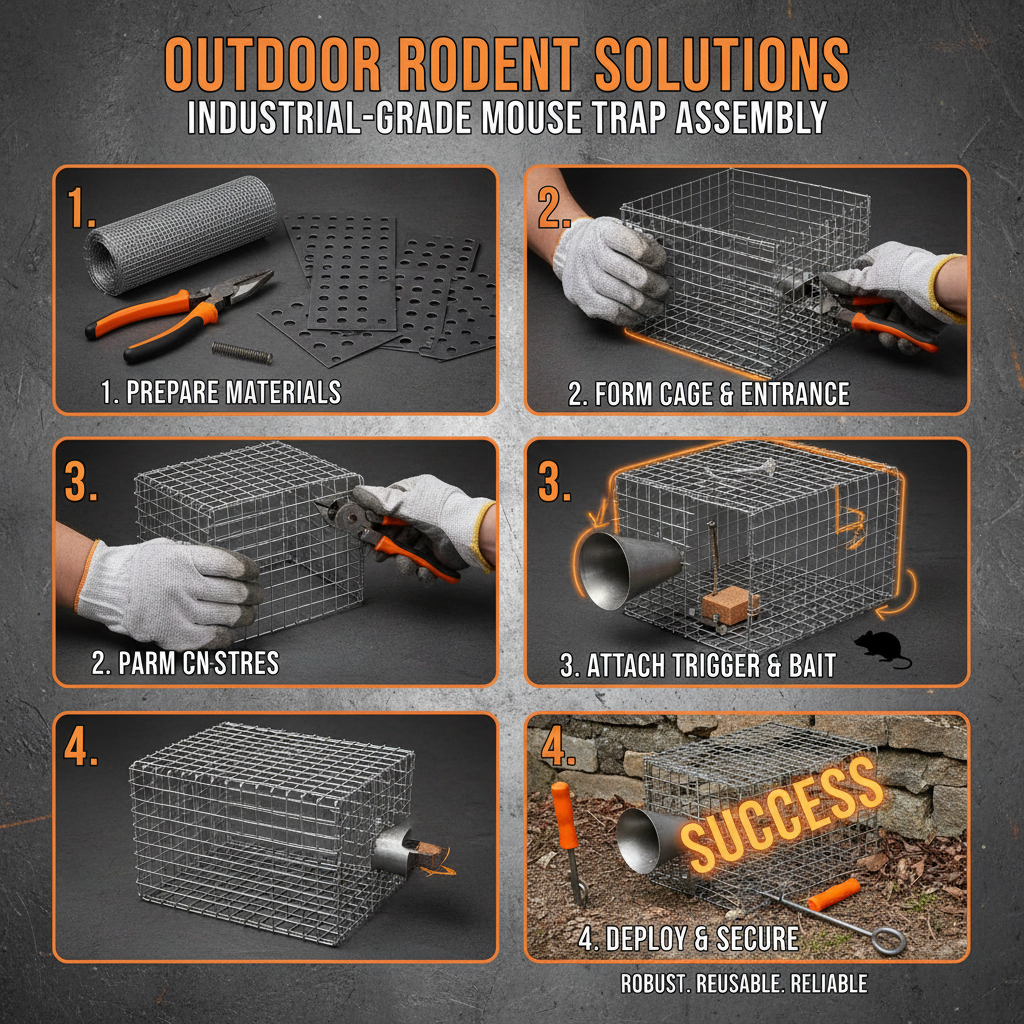
Outdoor mouse traps play a pivotal role in protecting properties from the damaging effects of rodent infestations. These traps are designed specifically to withstand the elements and effectively capture mice attempting to gain access to homes, gardens, and agricultural areas. The selection of an appropriate trap hinges on factors like the severity of the infestation, the surrounding environment, and the homeowner’s preferences regarding humane treatment. outdoor mouse traps are a core component of any comprehensive pest control strategy.
Choosing the right outdoor mouse trap isn’t simply about purchasing a device; it's about understanding mouse behavior and tailoring the solution to the specific context. Different trap types, from snap traps to live traps, offer varying levels of effectiveness and ethical considerations. Proper placement and baiting are equally crucial for successful capture and long-term control. A preventative approach, incorporating habitat modification and regular monitoring, further enhances the efficacy of trap deployment.
Defining Outdoor Mouse Traps
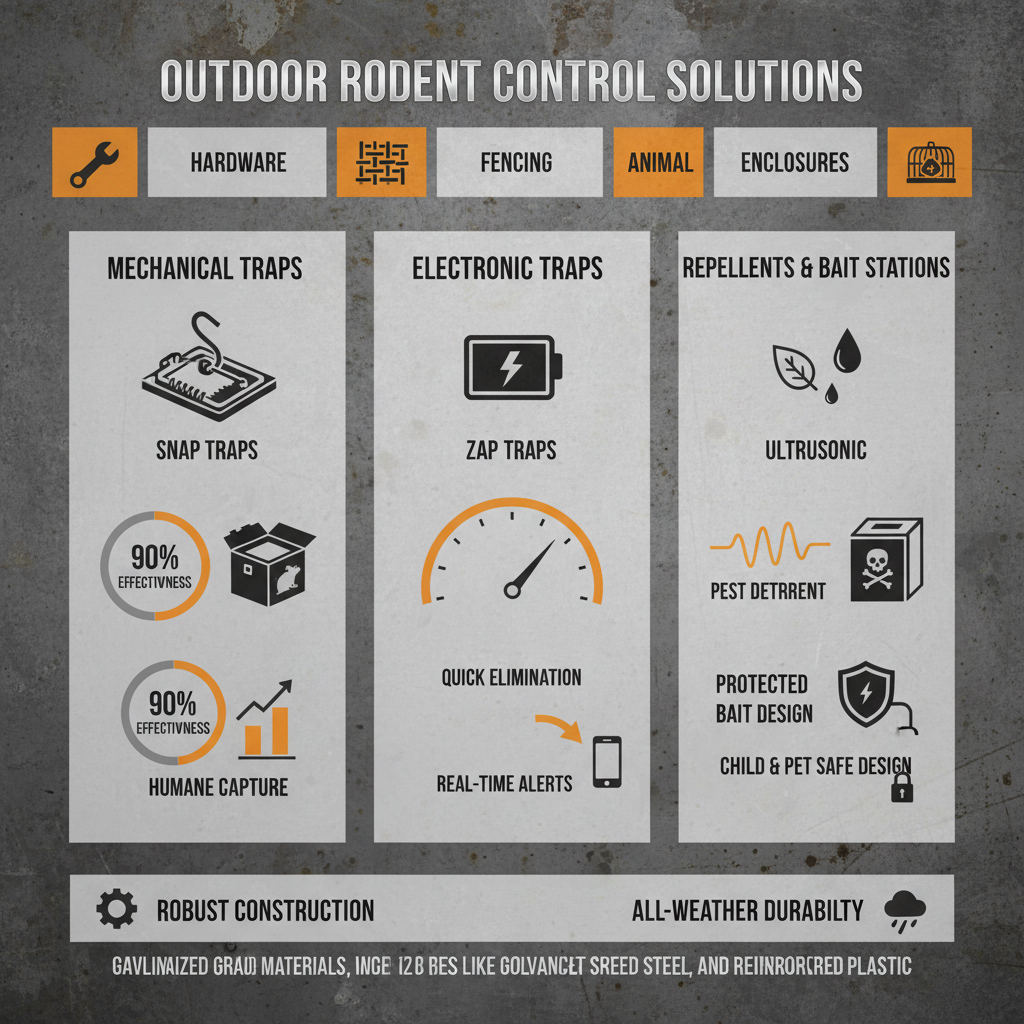
Outdoor mouse traps are devices designed to capture or eliminate mice in exterior environments, typically around homes, gardens, and agricultural settings. They differ from indoor traps in their construction, materials, and ability to withstand weather conditions. The primary goal is to prevent mice from entering buildings or causing damage to outdoor property. These traps can range from traditional snap traps and glue boards to more modern live traps and electronic devices.
The connection to modern industry lies in the growing demand for sustainable and humane pest control solutions. Manufacturers are increasingly focused on developing traps that minimize suffering and reduce environmental impact. This trend is driven by consumer preferences and evolving regulations regarding pest management practices. Innovations include traps with self-resetting mechanisms and designs that prevent capture of non-target animals.
In the context of humanitarian needs, effective rodent control is vital for protecting food supplies and preventing the spread of disease, especially in developing countries and disaster relief situations. Outdoor mouse traps, when used responsibly, contribute to improved sanitation and public health outcomes, safeguarding vulnerable populations from the risks associated with rodent infestations.
Key Factors for Effective Traps
Durability is paramount when selecting outdoor mouse traps. Exposure to rain, sunlight, and temperature fluctuations demands materials that can withstand the elements without corroding or losing functionality. Traps constructed from heavy-duty plastics or galvanized metal are generally more resilient than those made from cheaper materials. A robust design ensures consistent performance over time, reducing the need for frequent replacements.
Effectiveness is determined by the trap's ability to reliably capture mice. This involves a combination of factors, including the trap's mechanism, bait placement, and overall design. Snap traps are known for their quick kill, while live traps allow for humane relocation. The success rate often depends on understanding mouse behavior and positioning the trap in areas of high activity.
Humane considerations are increasingly important to consumers. Live traps offer a non-lethal option, allowing for the capture and release of mice away from the property. However, relocation can be stressful for the animal and may not always be effective. Snap traps, when used correctly, can provide a swift and relatively painless demise.
Global Applications of Outdoor Mouse Traps
Outdoor mouse traps find widespread application in residential areas globally, protecting homes and gardens from rodent damage. In agricultural settings, they are crucial for safeguarding crops and livestock feed from contamination. The use of outdoor mouse traps is particularly prevalent in regions with temperate climates and abundant food sources. They’re a core part of IPM strategies in diverse ecosystems.
In post-disaster relief operations, controlling rodent populations becomes essential to prevent the spread of disease and protect emergency food supplies. Outdoor mouse traps are often included in relief packages and deployed in temporary shelters and food storage facilities. Their ease of use and portability make them ideal for emergency situations.
In remote industrial zones, such as mining camps and construction sites, outdoor mouse traps are used to maintain sanitary conditions and prevent damage to equipment and infrastructure. Rodents can pose a significant threat to electrical systems and stored materials, leading to costly repairs and disruptions. A robust trapping program is critical for minimizing these risks.
Effectiveness of Different Outdoor Mouse Trap Methods
Advantages and Long-Term Value
The cost-effectiveness of outdoor mouse traps is a significant advantage. Preventing rodent damage through proactive trapping can save homeowners and businesses substantial amounts of money in repair costs and lost productivity. Furthermore, regular trapping reduces the need for costly and potentially harmful chemical treatments. outdoor mouse traps offer a long-term economic benefit.
Sustainability is increasingly recognized as a key benefit. Humane traps minimize suffering and reduce the environmental impact of pest control. Choosing traps made from durable, recyclable materials further contributes to sustainability. By prioritizing ethical and environmentally responsible solutions, we can protect both our properties and the natural world.
Future Trends and Innovations
The integration of smart technology into outdoor mouse traps is a rapidly emerging trend. Remote monitoring systems, connected via Wi-Fi or Bluetooth, allow users to track trap activity and receive alerts when a mouse is captured. This eliminates the need for frequent manual inspections and provides valuable data on rodent populations. These advances promise to streamline pest control.
Material science is also playing a role in innovation. Researchers are developing new plastics and alloys that are more durable, weather-resistant, and environmentally friendly. Biodegradable trap components are being explored as a sustainable alternative to traditional materials. These advancements aim to improve both the effectiveness and the ecological footprint of outdoor mouse traps.
Challenges and Solutions in Outdoor Mouse Control
A common challenge is trap shyness – mice becoming wary of traps after a negative experience. Solutions include rotating trap types, using different baits, and strategically placing traps in less obvious locations. Understanding mouse behavior and adapting trapping strategies accordingly is crucial for overcoming this challenge. outdoor mouse traps require strategic placement.
Another challenge is preventing capture of non-target animals. This can be mitigated by using traps with selective entry points or employing bait that is attractive to mice but less appealing to other species. Regular monitoring and responsible trap placement are essential for minimizing bycatch.
Environmental factors, such as heavy rainfall or extreme temperatures, can also affect trap performance. Choosing traps designed to withstand these conditions and providing adequate protection from the elements can help ensure consistent effectiveness.
Summary of Challenges and Solutions in Outdoor Mouse Control
| Challenge |
Impact on Control |
Solution |
Implementation Cost (1-10) |
| Trap Shyness |
Reduced capture rate, ineffective control |
Rotate trap types, vary bait, strategic placement |
3 |
| Non-Target Capture |
Ethical concerns, unintended harm |
Selective entry traps, appropriate bait selection |
5 |
| Weather Exposure |
Trap malfunction, reduced effectiveness |
Durable trap materials, protective housings |
6 |
| Bait Degradation |
Reduced attractiveness, lower capture rate |
Use fresh bait, protective bait stations |
2 |
| Habitat Complexity |
Difficult trap placement, limited access |
Habitat modification, focused trapping areas |
7 |
| Rodent Resistance |
Decreased trap acceptance over time |
Rotation of trap types, use of different attractants |
4 |
FAQS
Peanut butter is a classic and highly effective bait for outdoor mouse traps due to its strong aroma and palatable texture. However, mice can become accustomed to a single bait source, so varying the bait—using seeds, nuts, or even chocolate—can improve success rates. Always consider the surrounding environment and potential attractants when choosing bait.
It's recommended to check outdoor mouse traps at least once daily, ideally twice. This minimizes the time a captured mouse spends in the trap, promoting humane treatment. Regular checks also allow you to promptly remove captured mice and re-bait the trap, ensuring continued effectiveness. It's critical to maintain trap activity.
Live traps are generally considered more humane as they allow for the non-lethal capture of mice. However, relocation can be stressful for the animal, and they may not survive in a new environment. Responsible relocation requires releasing the mouse far from the property—at least a mile—in a suitable habitat.
Preventing re-infestation involves eliminating food sources, sealing entry points, and maintaining a clean environment. Remove debris around the foundation, trim vegetation, and store food in airtight containers. Regularly inspect the property for potential access points and seal any cracks or holes.
Place traps along walls, fences, and other areas where mice are likely to travel. Focus on areas where you've observed mouse droppings or other signs of activity. Avoid placing traps in open areas, as mice prefer to travel along protective cover. Camouflage traps with natural materials for increased effectiveness.
Choose traps designed to minimize bycatch. Use bait selectively, and consider using covered traps or tunnel systems to prevent access by larger animals. Regularly monitor traps and release any non-target animals immediately and unharmed. Responsible pest control prioritizes animal welfare.
Conclusion
Outdoor mouse traps are an essential component of effective property protection and public health. By understanding the different types of traps, their application, and the underlying principles of rodent control, homeowners and pest control professionals can proactively manage infestations and minimize the associated risks. Prioritizing durability, humane considerations, and sustainable practices ensures long-term success.
Looking ahead, the integration of smart technology and continued advancements in material science promise to further enhance the effectiveness and efficiency of outdoor mouse traps. A proactive and informed approach to pest management, coupled with ongoing innovation, will be crucial for mitigating the challenges posed by rodent populations and safeguarding our properties and communities. Visit our website: www.hbarcherfish.com for more information.