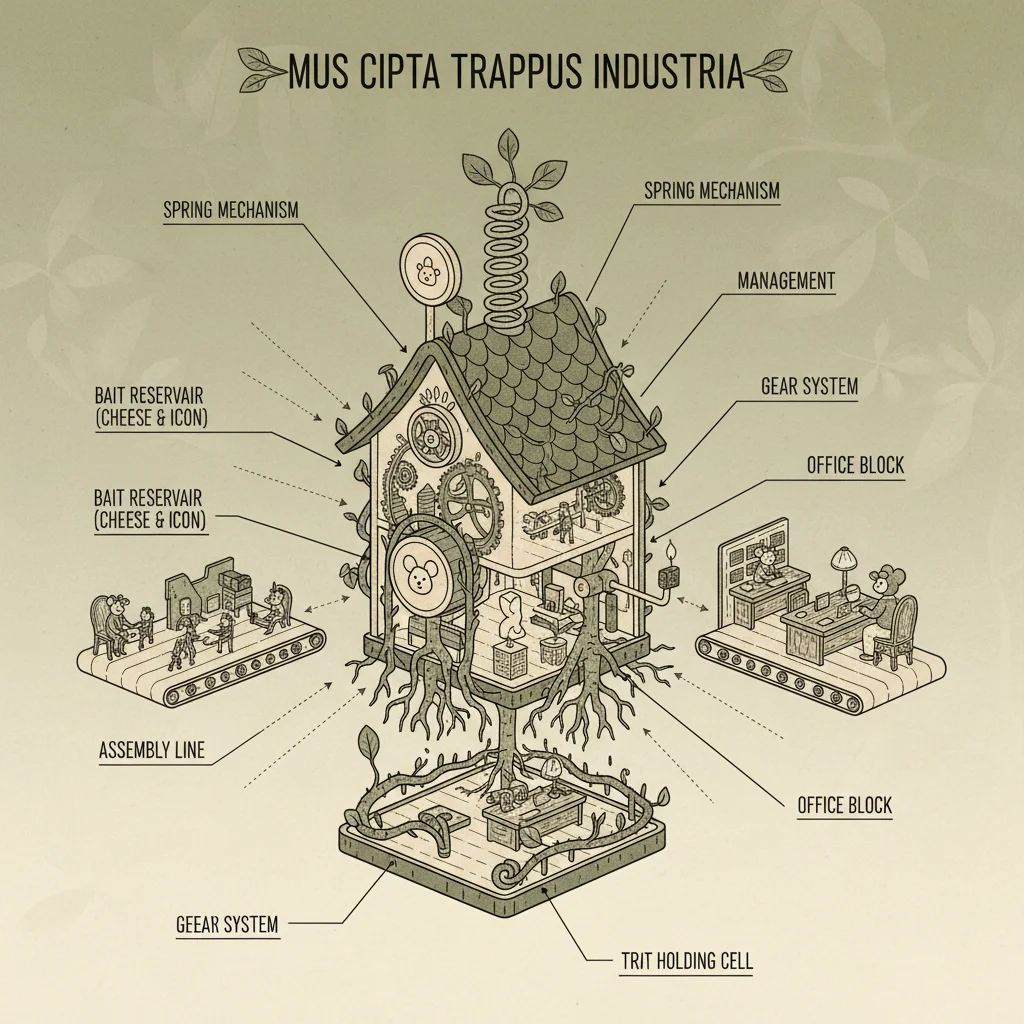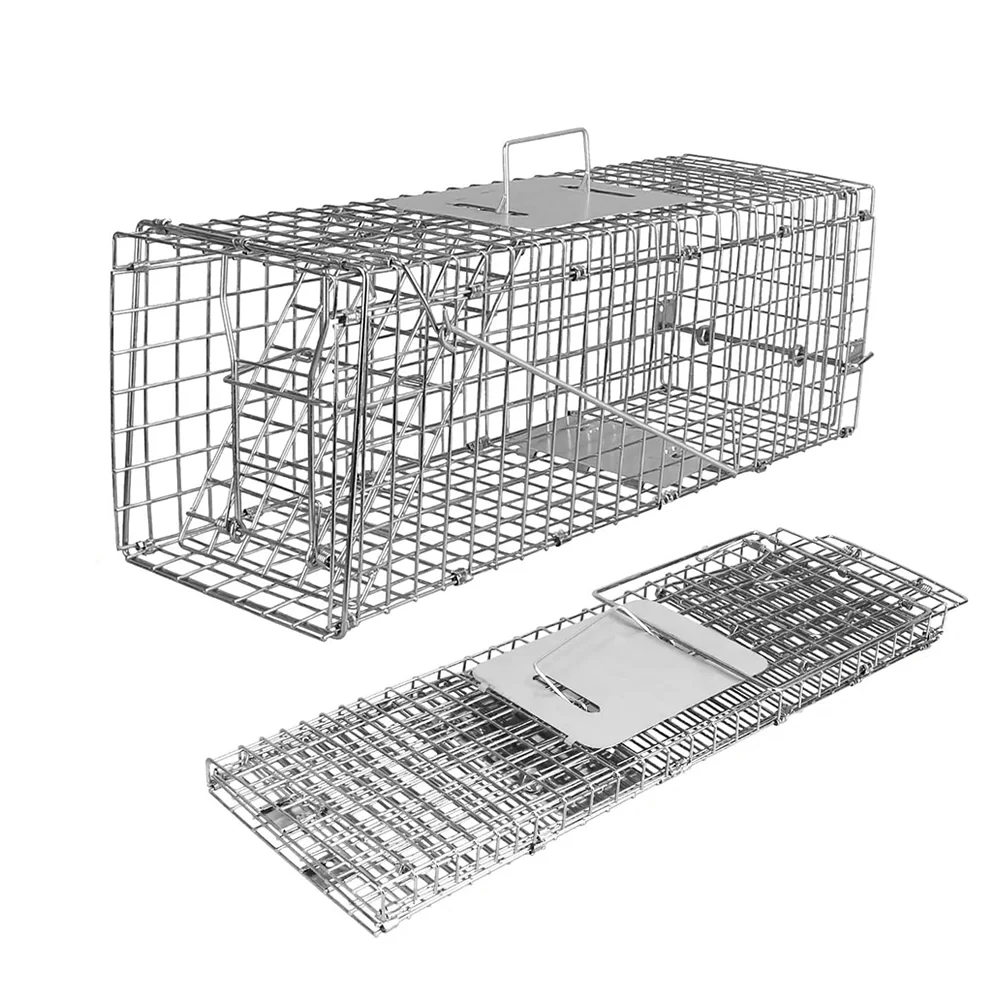
The humble mouse catcher, often overlooked, represents a vital intersection of pest control, public health, and even economic stability. Globally, rodent-borne diseases cause significant morbidity and mortality, and rodent damage to crops and infrastructure impacts food security and economic development. Understanding effective mouse control methods is therefore paramount. This extends beyond simple eradication; it’s about sustainable solutions that minimize environmental impact and ensure long-term protection for communities and businesses. The increasing need for preventative measures drives the importance of innovative mouse catcher technologies. Historically, managing mouse populations relied on often-harmful poisons and traps. However, modern concerns regarding environmental safety and animal welfare have spurred the development of more humane and ecologically sound alternatives. This shift presents a unique opportunity for innovative solutions like the advanced mouse catcher systems designed to offer both effective pest control and responsible environmental stewardship.
Honestly, things have been moving fast lately. Everyone’s talking about lightweight, modular, and “smart” everything. You go to a site now, and it’s not just about brick and mortar anymore. It’s about pre-fab, quick assembly, and…well, hoping it all fits together. I've seen a lot of these "innovations" come and go, and a lot of them are just headaches waiting to happen.
You know what gets me? The details. People design things on computers, look great on paper, but haven't spent a day actually *handling* the materials. That’s where things fall apart. That’s where you find out the tolerances are off, or the finish scratches if you look at it wrong.
We specialize in what I call “robust enclosure solutions”—fancy way of saying we make boxes to protect sensitive equipment. Mostly electronics, some comms stuff. It's a surprisingly complex business.