19 March 2026
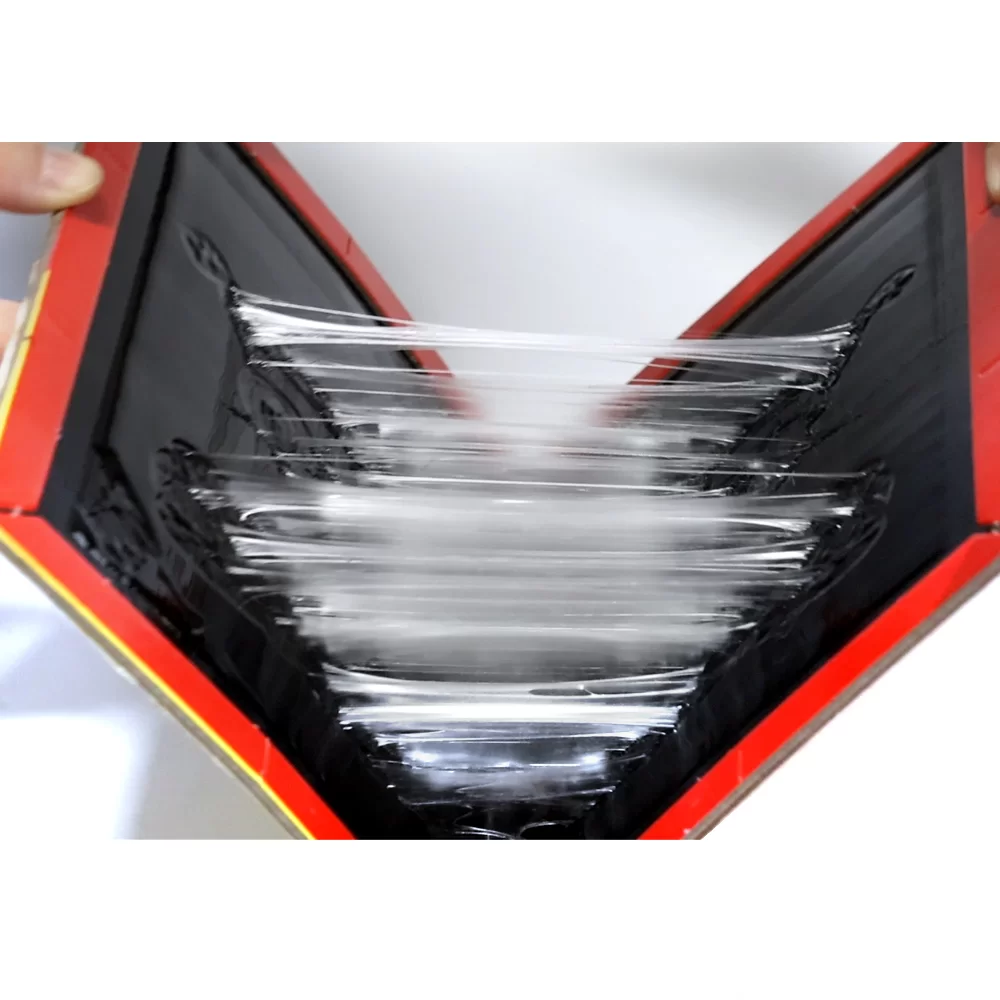
When it comes to pest control, selecting the right sticky trap can make a significant difference in both effectiveness and long-term results. Whether you're dealing with a small indoor issue or managing a large-scale infestation in a warehouse or farm, choosing the right sticky trap for flies and other insects is essential. With so many options available, understanding how different traps work and where to use them will help you get the most out of your sticky trap for bugs strategy.
In this guide, we’ll walk you through how to select the best sticky trap based on your environment, target pests, and usage needs—covering everything from gnats and flies to ants, spiders, and roaches.
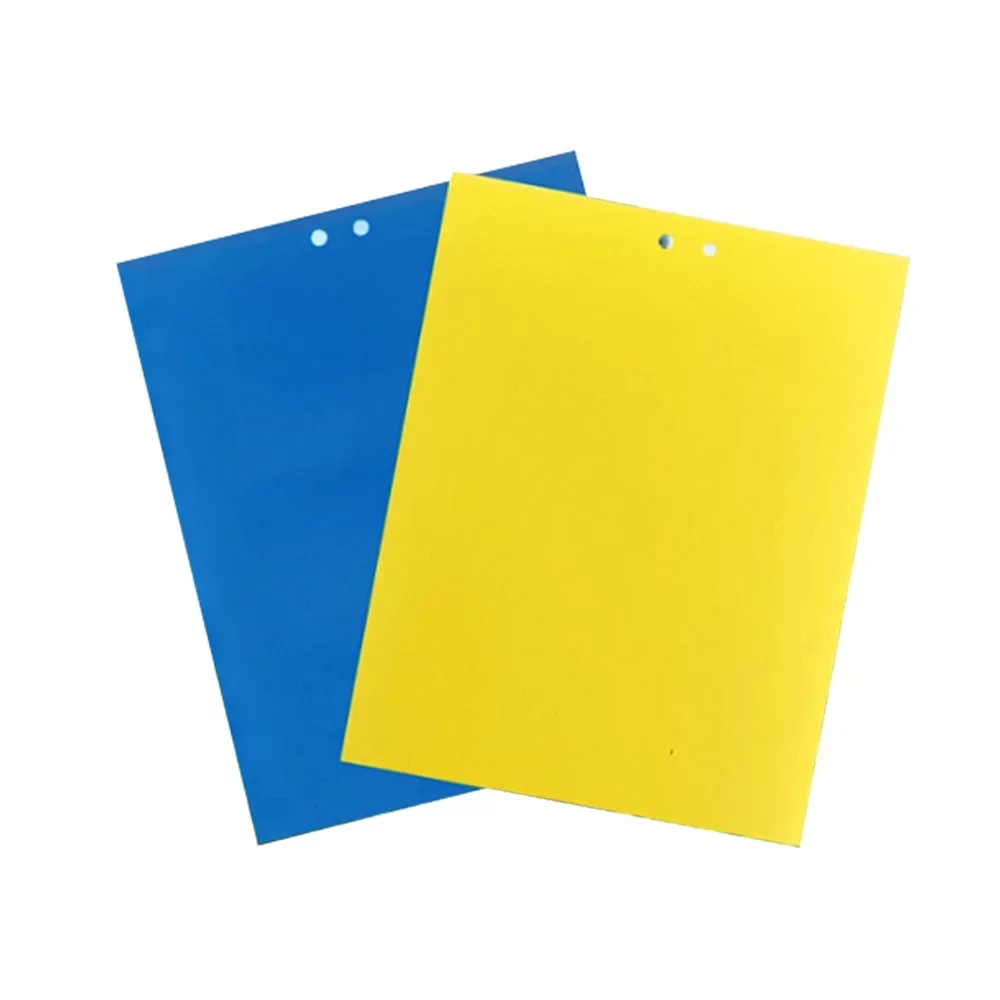
Before choosing a sticky trap, it's important to evaluate your specific pest problem. Not all traps are designed the same, and different pests respond to different attractants.
For example, a sticky trap for gnats often uses bright yellow coloring to attract small flying insects, while a sticky trap for flies may include additional attractants or larger adhesive surfaces. Similarly, a sticky trap for roaches is typically designed for ground placement and features stronger adhesive to capture heavier crawling pests.When selecting a sticky trap for bugs, consider the following:
Target insect type (flying vs crawling)
Placement area (indoor, outdoor, plants, industrial)
Adhesive strength and durability
Size and coverage area
Choosing the right sticky trap ensures higher capture rates and faster pest control results.
Indoor environments often attract small pests like gnats, especially in humid areas or around plants. A sticky trap for gnats is ideal for these situations due to its compact size and high visibility.
Place your sticky trap near plant pots, kitchen sinks, or windows where gnats are most active. Because gnats are attracted to moisture and light, positioning your sticky trap for bugs strategically will significantly improve performance.
In addition to gnats, indoor spaces may also have ants and spiders. A sticky trap for ants can be placed along baseboards or entry points, while a sticky trap for spiders works best in corners, behind furniture, or in storage areas.
Using multiple types of sticky trap products together can provide comprehensive indoor pest control without relying on chemicals.
Plants are highly vulnerable to insect damage, making a sticky trap for plants an essential tool for gardeners and farmers. These traps are specifically designed to attract pests like aphids, whiteflies, and fungus gnats.
A sticky trap used in plant care is usually weather-resistant and easy to install. It can be inserted directly into the soil or hung near plant foliage. The bright color of a sticky trap for plants acts as a visual lure, drawing insects away from the plant itself.
For best results:
Place the sticky trap for plants at canopy level
Use multiple traps for larger gardens
Monitor and replace traps regularly
In agricultural settings, combining a sticky trap for bugs with other pest management techniques can greatly improve crop health and yield.
Crawling pests require a different approach compared to flying insects. A sticky trap for roaches is designed with strong adhesive and a low-profile structure, making it ideal for placement in tight spaces.
Roaches tend to travel along walls and hidden paths, so placing a sticky trap in corners, under appliances, and near entry points increases effectiveness. Similarly, a sticky trap for ants can help track and reduce ant activity, especially when placed along trails.
For areas prone to spiders, a sticky trap for spiders is highly effective in capturing these pests without the need for sprays. These traps can be used in garages, basements, and warehouses where spiders are commonly found.
Using a sticky trap for bugs that targets crawling insects ensures that no part of your pest control strategy is overlooked.
Many users wonder whether a single sticky trap is enough. In most cases, using multiple traps provides significantly better results.
A single sticky trap for flies may capture insects in one area, but pests often move throughout a space. By placing several sticky trap for bugs units in strategic locations, you create a wider coverage area and increase the chances of trapping insects quickly.
For example:
Use multiple sticky trap for gnats around plants
Install several sticky trap for flies near windows and doors
Place sticky trap for roaches in different hidden areas
This layered approach ensures consistent pest control and reduces the likelihood of reinfestation.
To keep your sticky trap working effectively, regular maintenance is essential. Over time, dust and captured insects reduce the adhesive strength, making the trap less effective.
Here are some simple tips:
Replace each sticky trap when it becomes full
Keep traps away from excessive dust or moisture
Check traps weekly to monitor pest activity
Proper maintenance not only extends the life of your sticky trap for bugs but also helps you track the success of your pest control efforts.
Choosing the right sticky trap is key to effective pest management, whether you're dealing with indoor nuisances or large-scale infestations. From a sticky trap for gnats in your home to a sticky trap for flies in commercial spaces, each type serves a specific purpose.
Additionally, solutions like sticky trap for plants, sticky trap for roaches, sticky trap for spiders, and sticky trap for ants ensure that both flying and crawling pests are effectively controlled. By understanding your needs and applying the right sticky trap for bugs, you can create a cleaner, safer, and pest-free environment.
Dec 08, 25
Bait Ideas for a Humane Mouse Trap
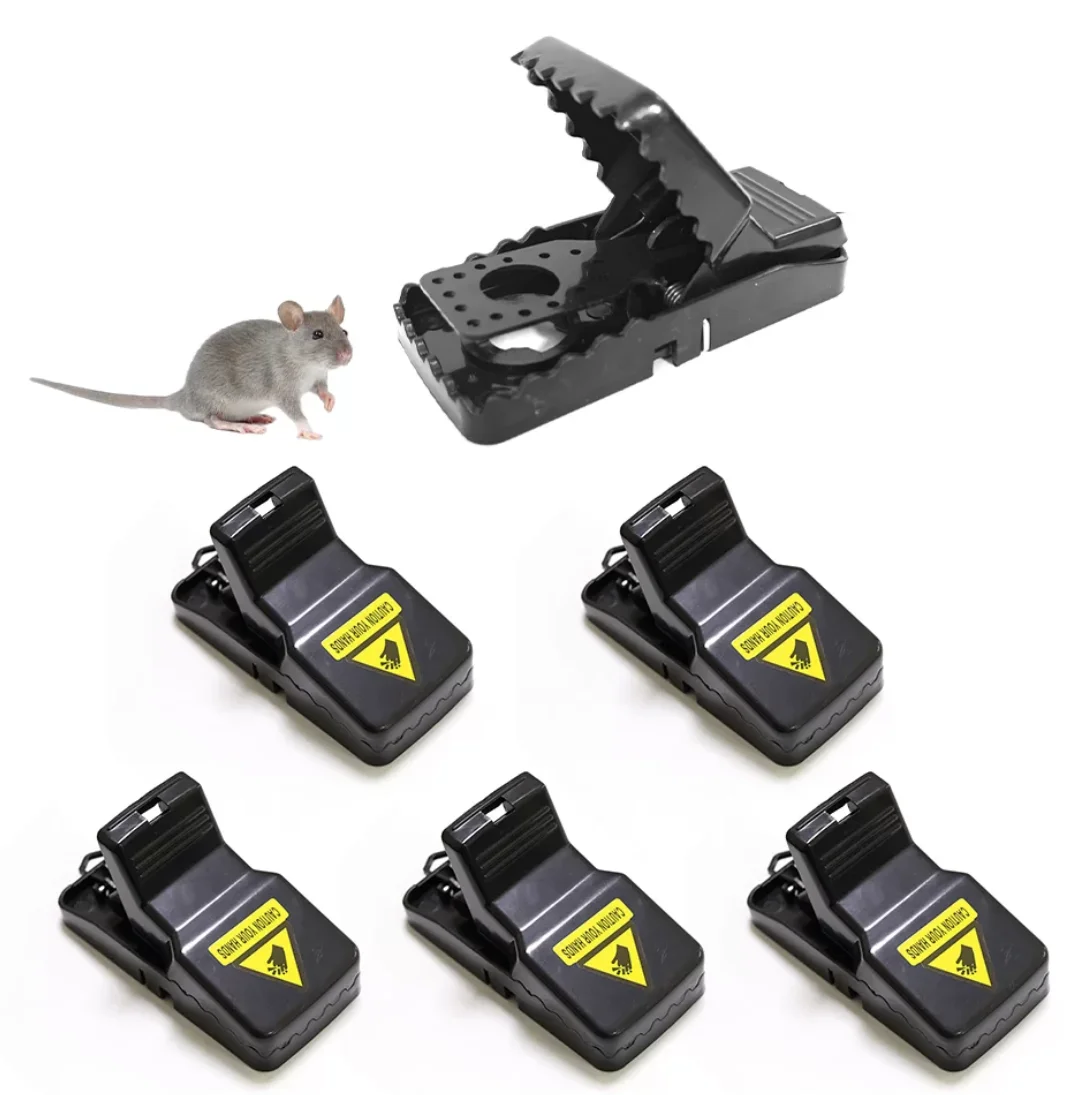
For homeowners, renters, and pest control professionals, humane mouse removal requires tools that capture rodents without harm—making humane mouse trap models (and their larger counterparts, humane rat traps) essential for eco-conscious pest management.
Mar 19, 26
Anti Cat Mat Solutions For Cleaner And Scratch-Free Living Spaces
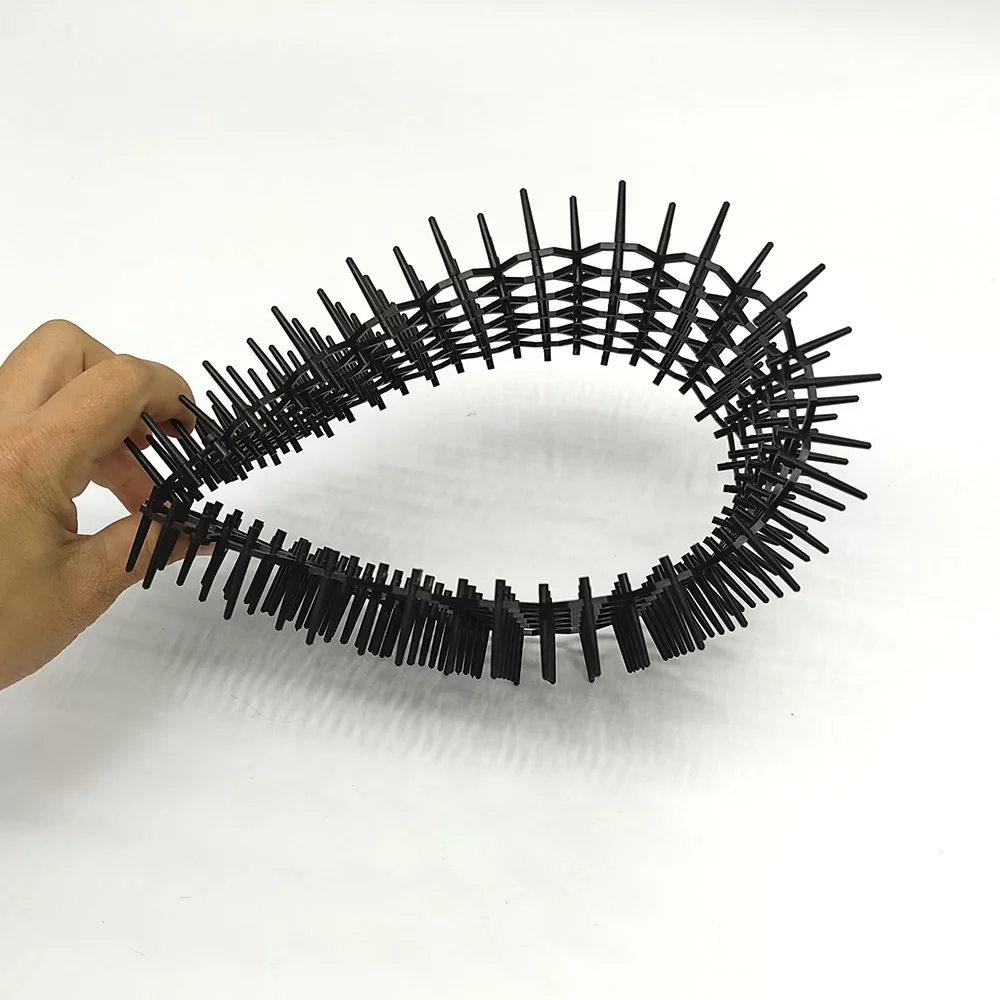
Keeping your home clean, organized, and free from unwanted scratching or digging behavior can be a challenge for any cat owner. Cats are naturally curious and territorial, often exploring countertops, digging in plants, or scattering litter beyond designated areas.

Dec 08, 25
What Removes Fly Paper Glue – Industrial Cleaning Solutions | HB Archerfish

Mar 10, 26
The Ultimate Guide to Choosing the Right Gardening Chair Kneeler for Your Needs