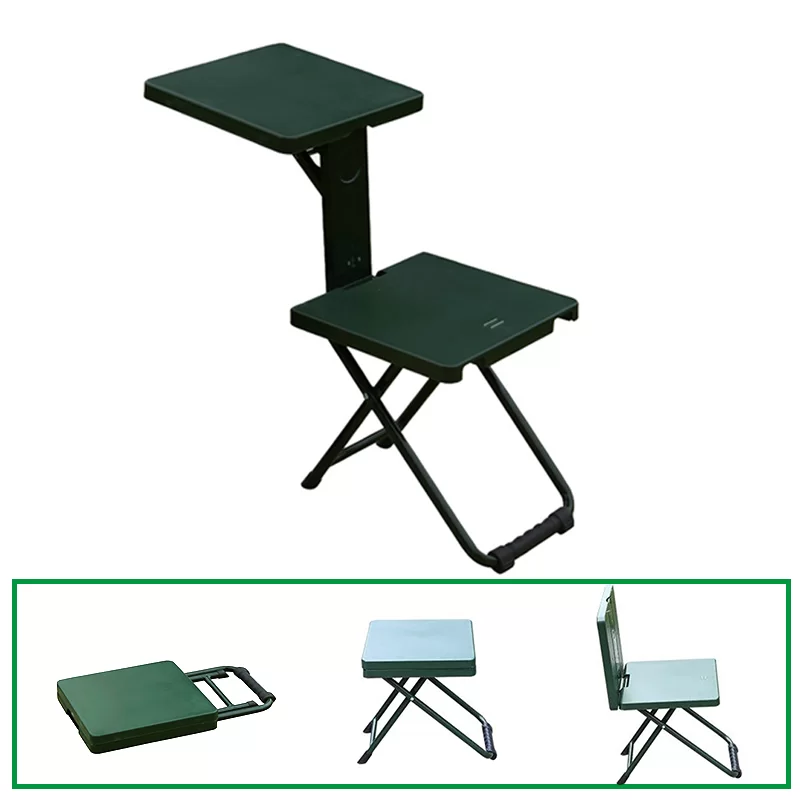
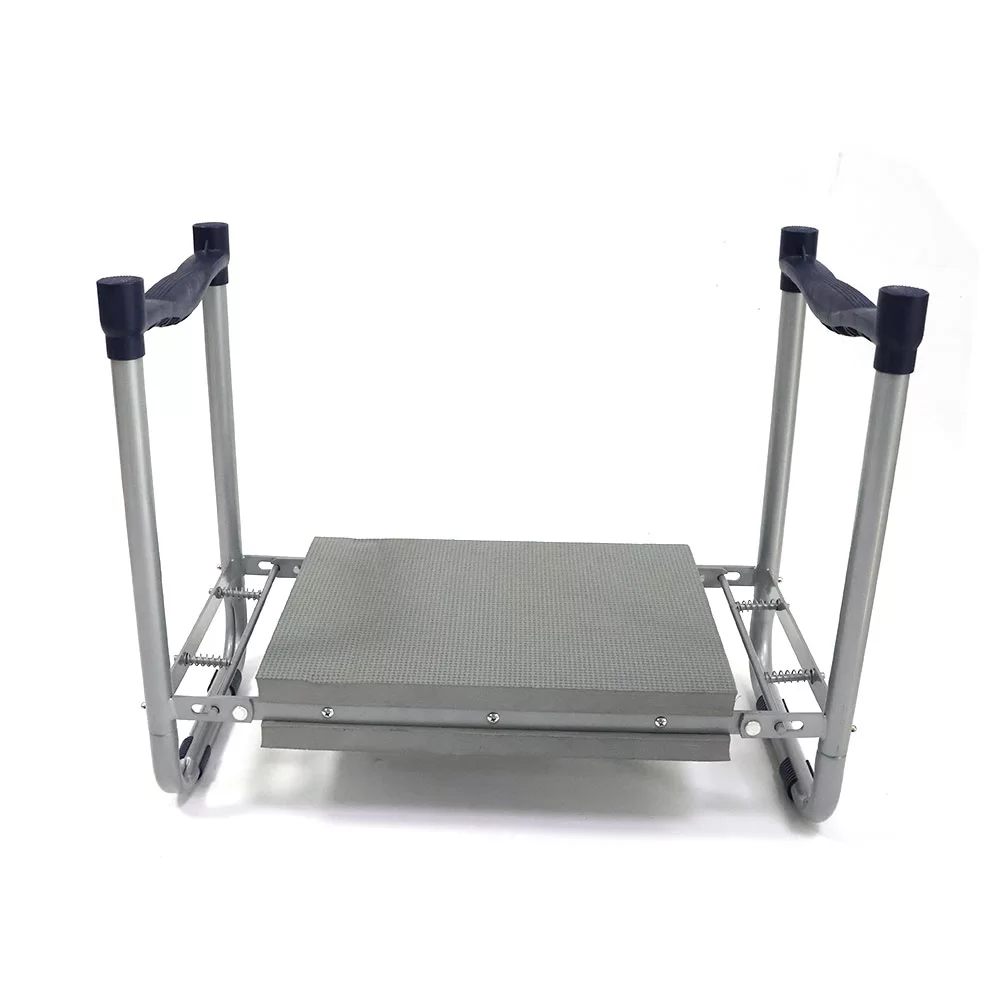
Garden kneeler and Seat, Foldable Garden Stool for Kneeling and Sitting to Prevent Kneeler
Garden Kneeler and Seat, Foldable Garden Stool Heavy Duty Gardening Bench for Kneeling and Sitting to Prevent Knee & Back Pain, Gardening Gifts for Women, Grandparents, Seniors, Mom & Dad
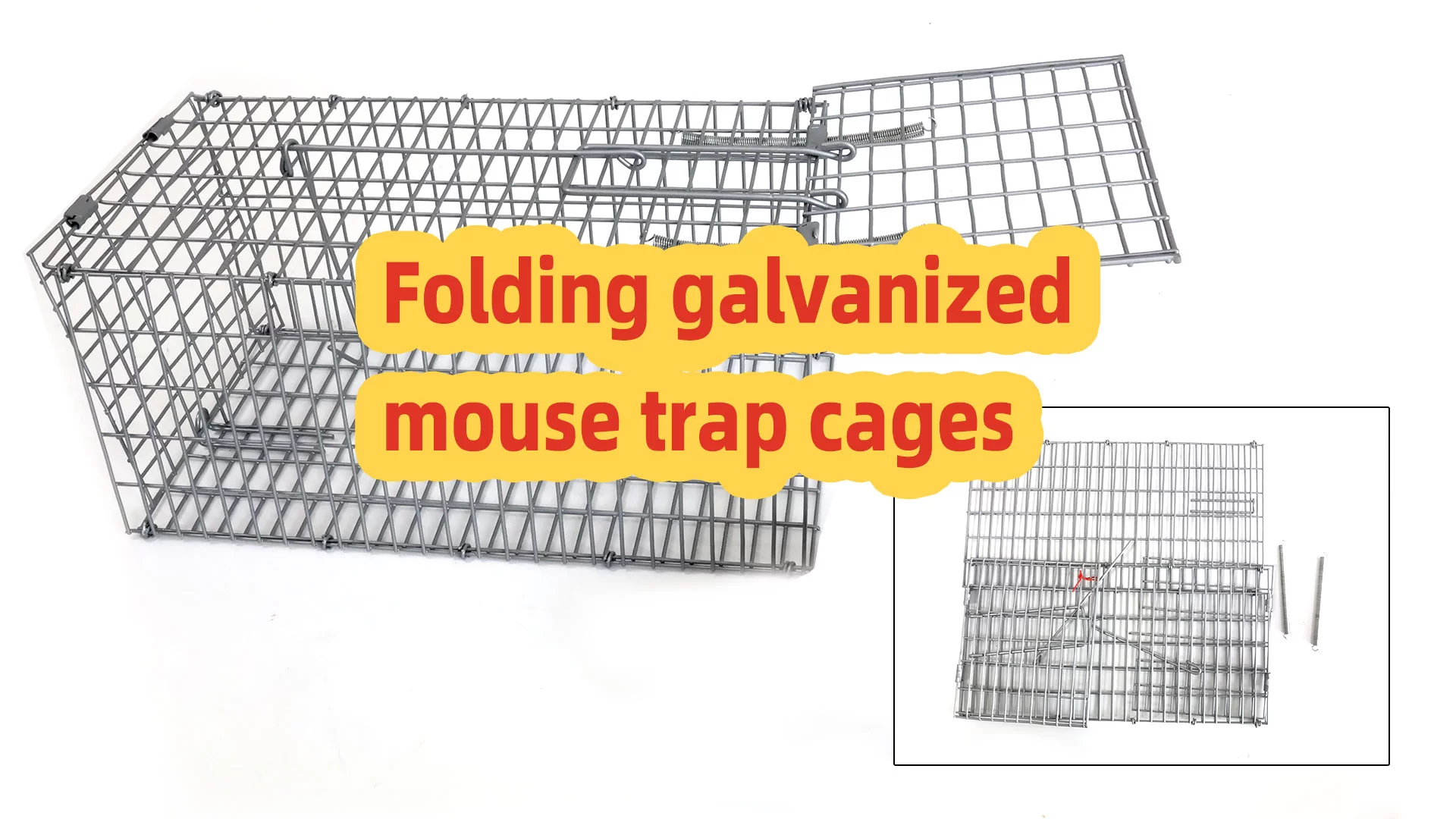
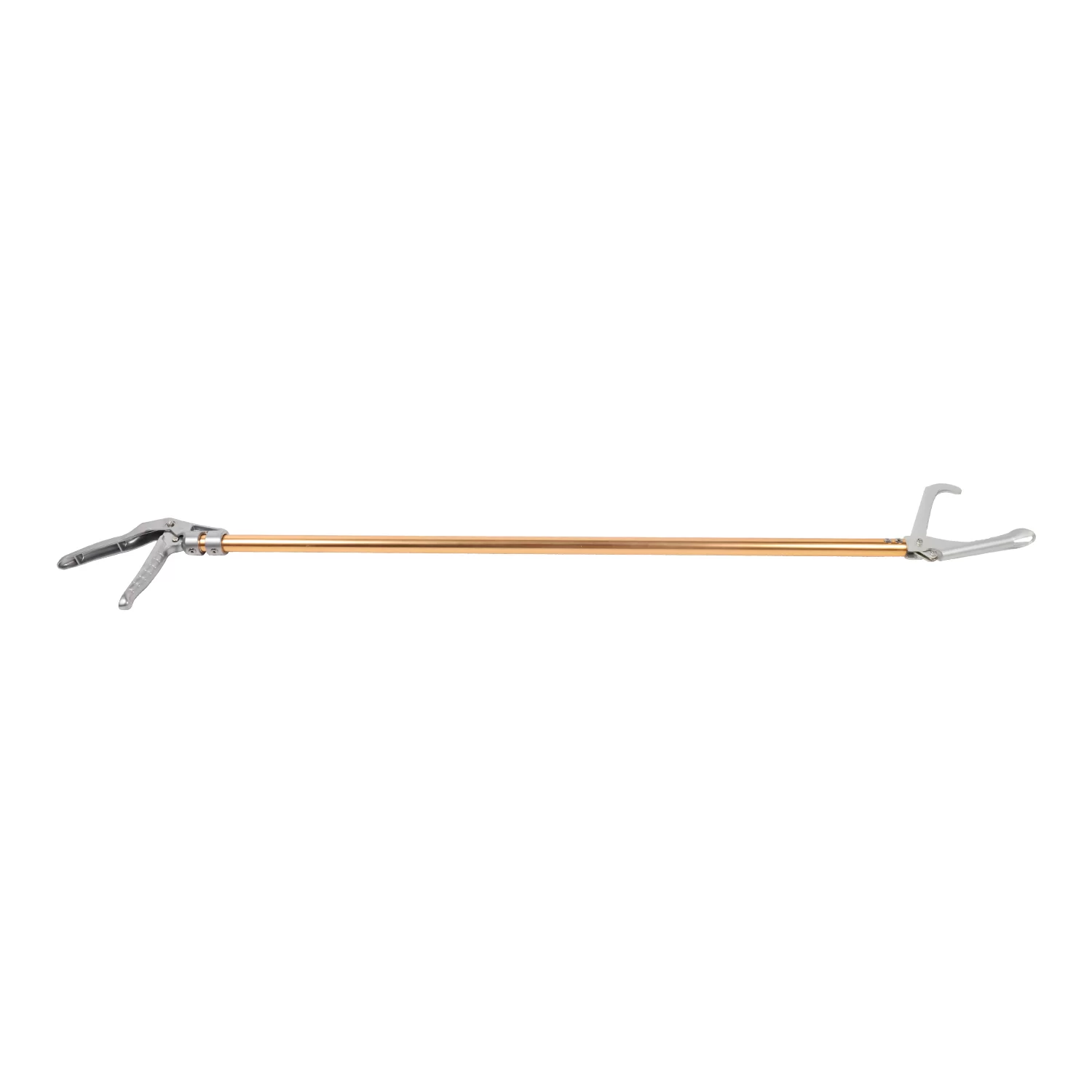
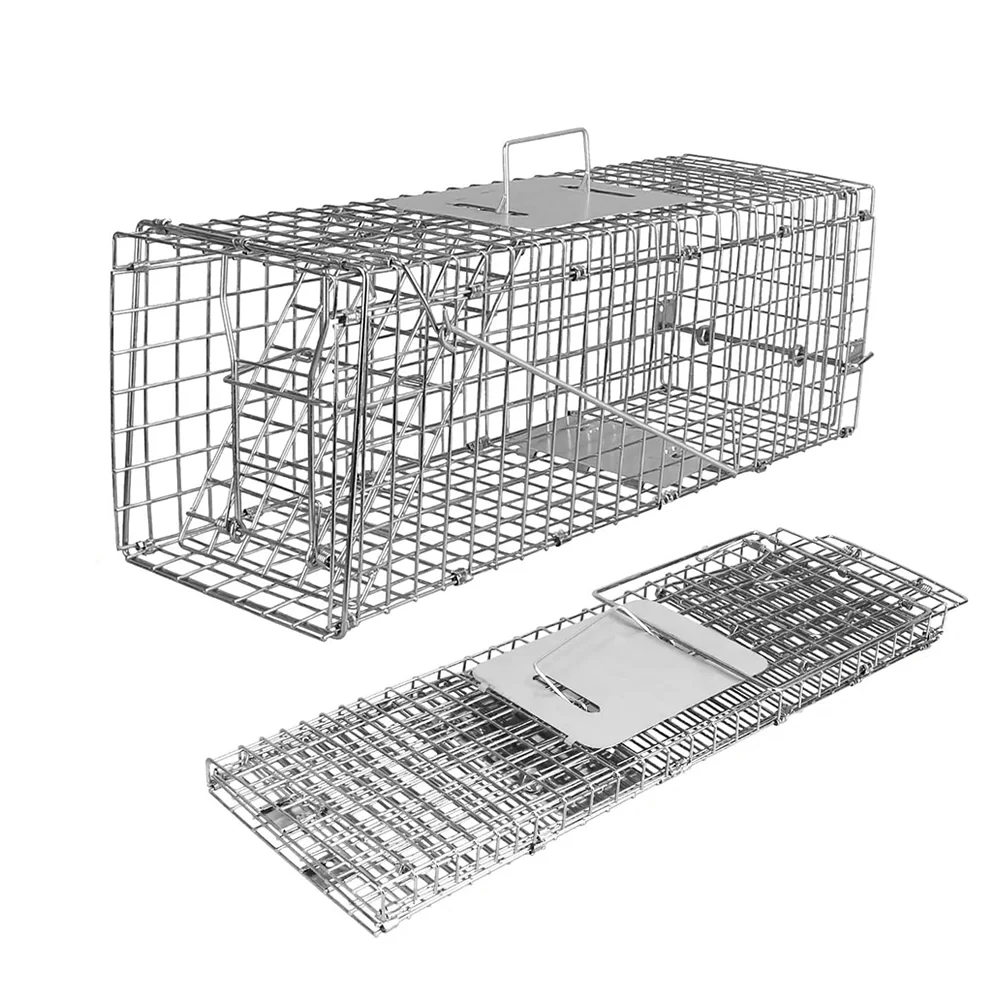
Animal traps, often associated with wildlife management or pest control, represent a surprisingly versatile tool with applications extending far beyond their traditional scope. Increasingly, the principles behind effective and humane animal trap design are informing innovations in disaster relief, remote infrastructure monitoring, and even security systems. Understanding the core mechanics, materials, and ethical considerations surrounding animal trap technology is crucial for professionals across diverse fields seeking sustainable and impactful solutions. The development and application of animal trap is a vital field, touching upon conservation, humanitarian aid, and technological advancement. From tracking endangered species to protecting agricultural yields, the ability to remotely and efficiently manage interactions with wildlife is paramount. Simultaneously, the rise of unpredictable weather patterns and increased geopolitical instability demand resilient infrastructure and proactive safety measures – areas where animal trap technology can contribute significantly.
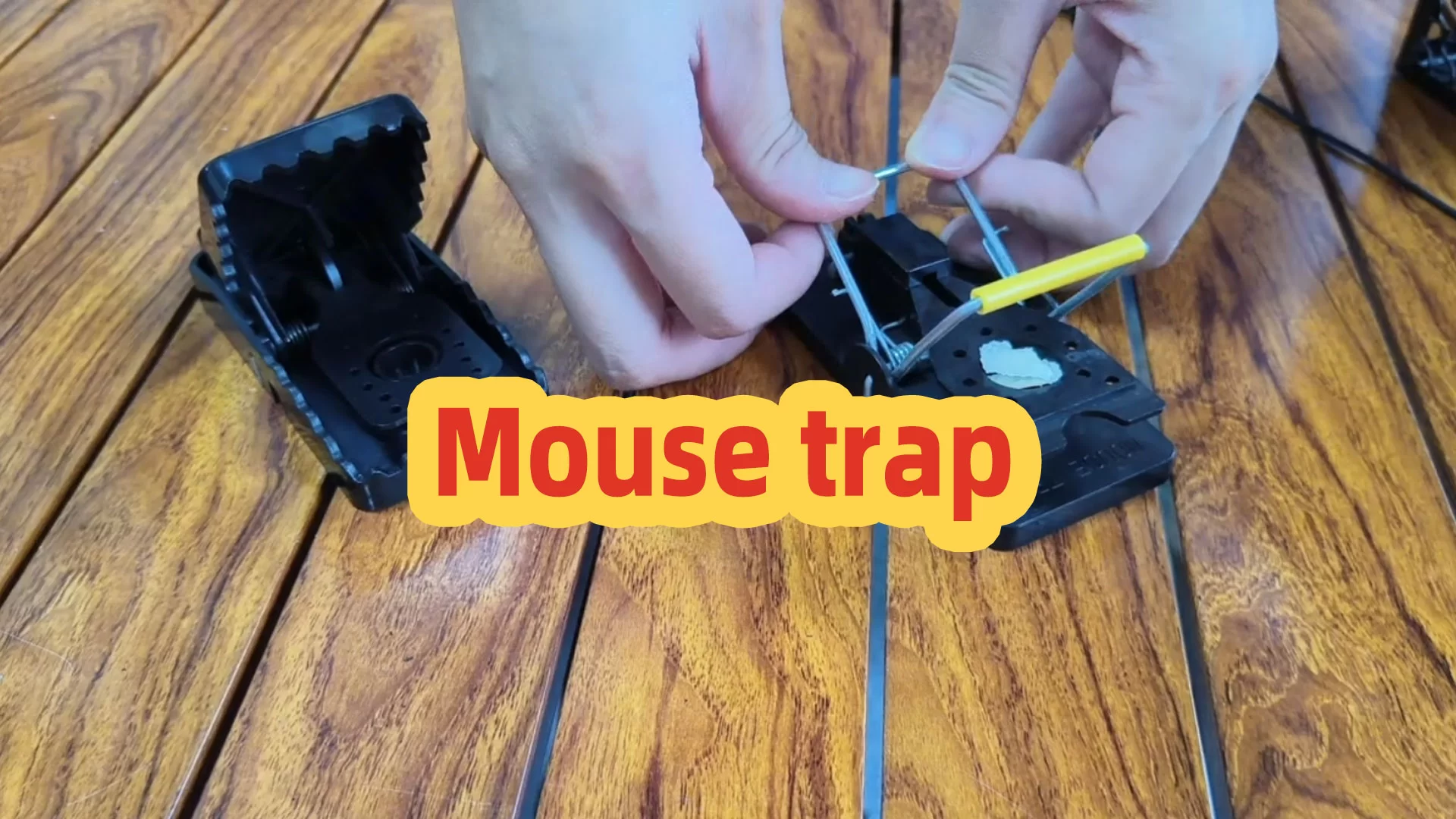
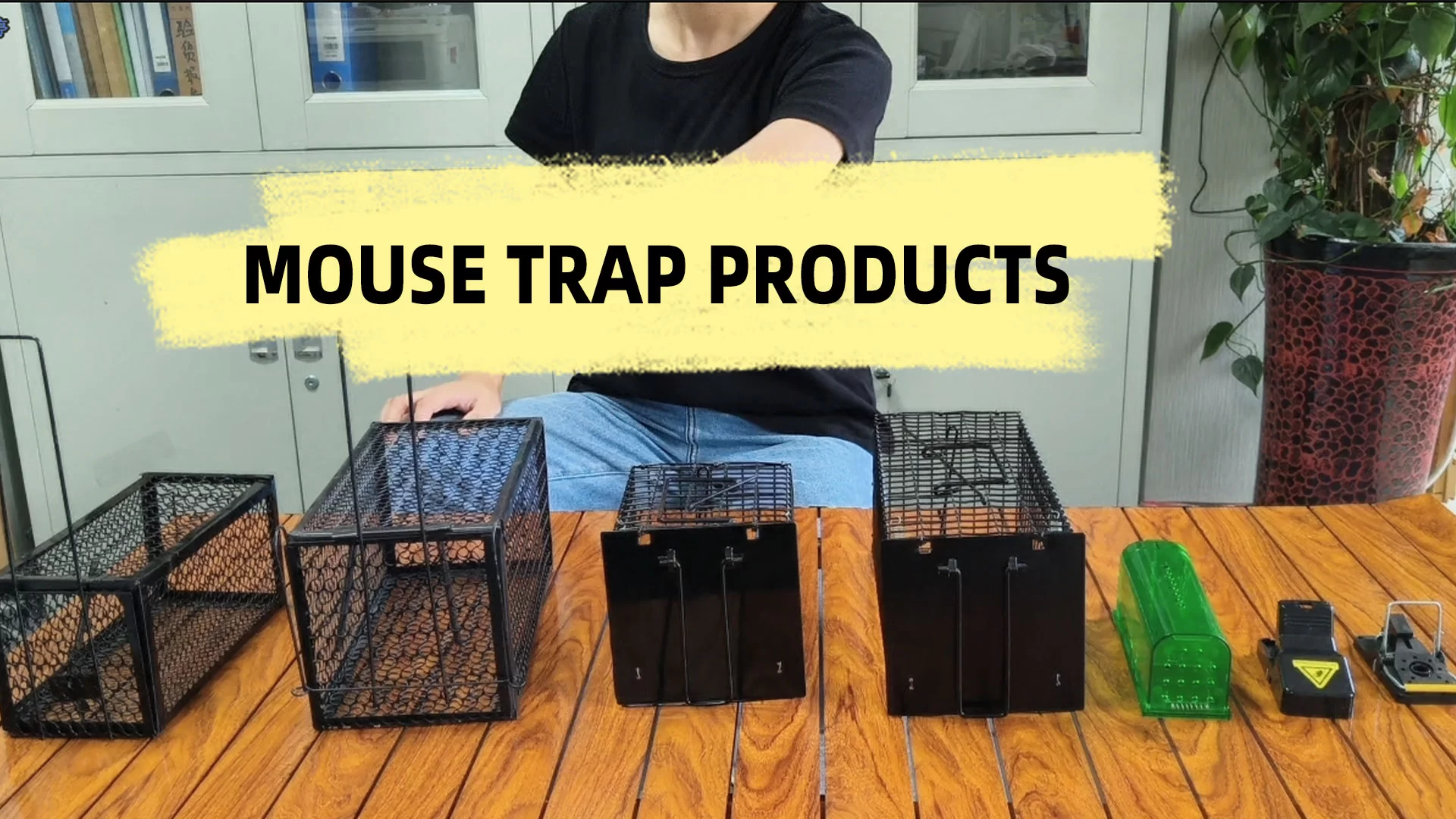
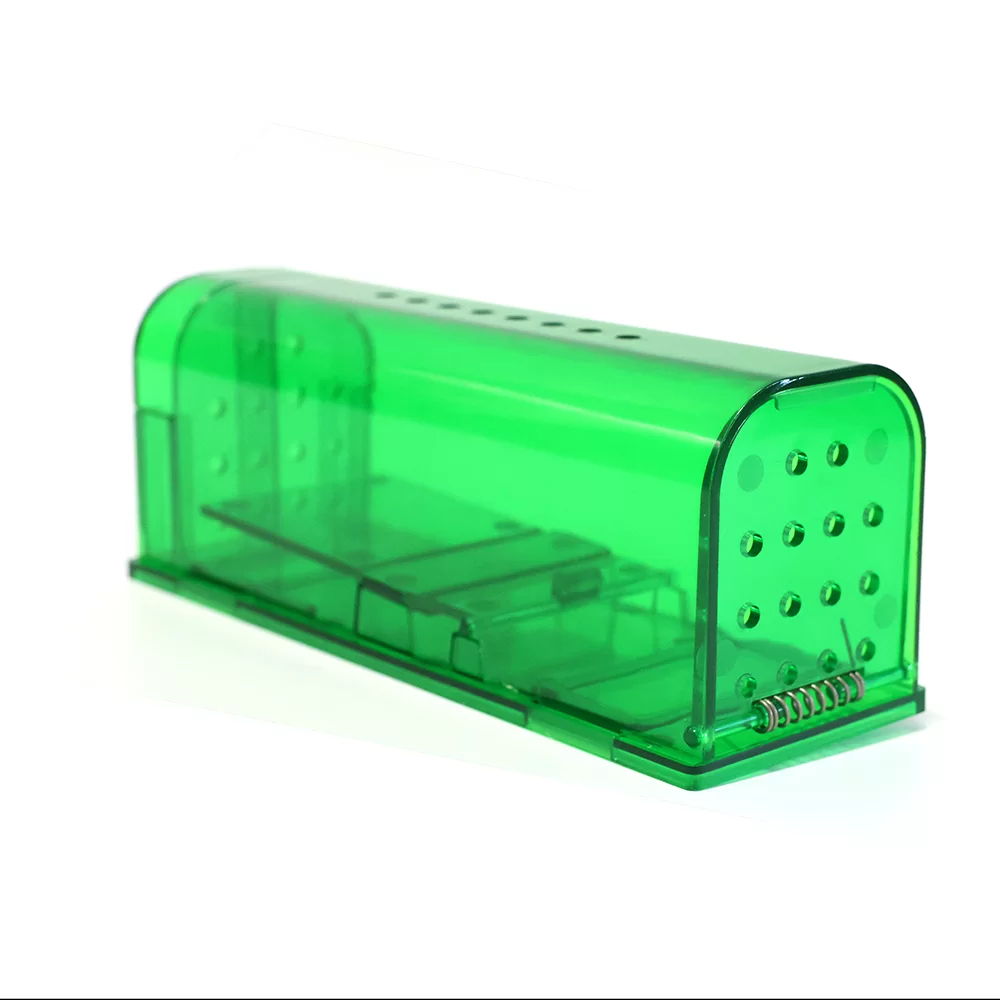
The humble mouse catcher, often overlooked, represents a vital intersection of pest control, public health, and even economic stability. Globally, rodent-borne diseases cause significant morbidity and mortality, and rodent damage to crops and infrastructure impacts food security and economic development. Understanding effective mouse control methods is therefore paramount. This extends beyond simple eradication; it’s about sustainable solutions that minimize environmental impact and ensure long-term protection for communities and businesses. The increasing need for preventative measures drives the importance of innovative mouse catcher technologies. Historically, managing mouse populations relied on often-harmful poisons and traps. However, modern concerns regarding environmental safety and animal welfare have spurred the development of more humane and ecologically sound alternatives. This shift presents a unique opportunity for innovative solutions like the advanced mouse catcher systems designed to offer both effective pest control and responsible environmental stewardship.