video

The Ultimate Guide to Choosing the Right Garden Kneeler Seat for Comfort

Feb 10, 26

The Ultimate Guide to Choosing the Right Garden Kneeler Seat for Comfort

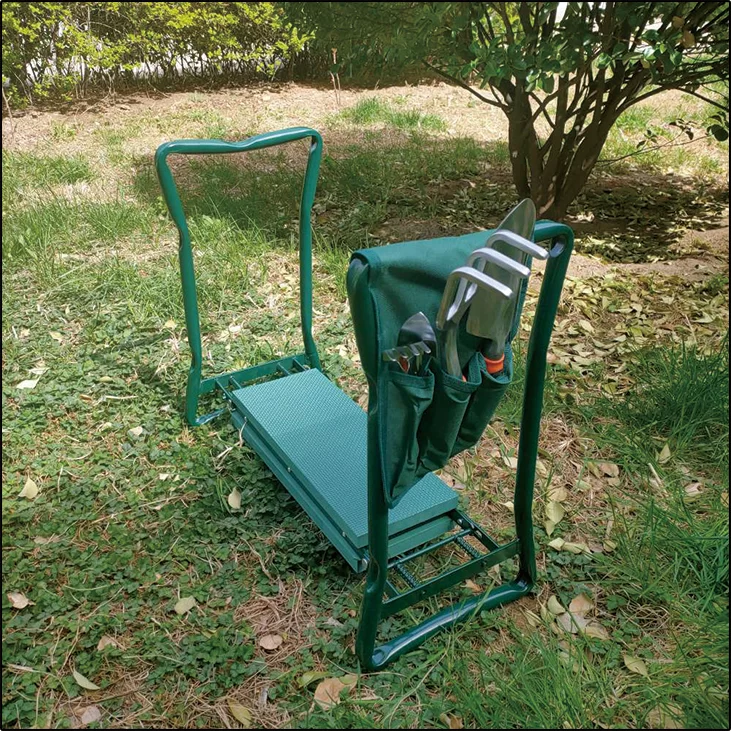
Choosing the Right Garden Kneeler Seat: A Comprehensive […]
Effective Rodent Trap Strategies for Public Health and Economic Stability

Feb 22, 26

Effective Rodent Trap Strategies for Public Health and Economic Stability

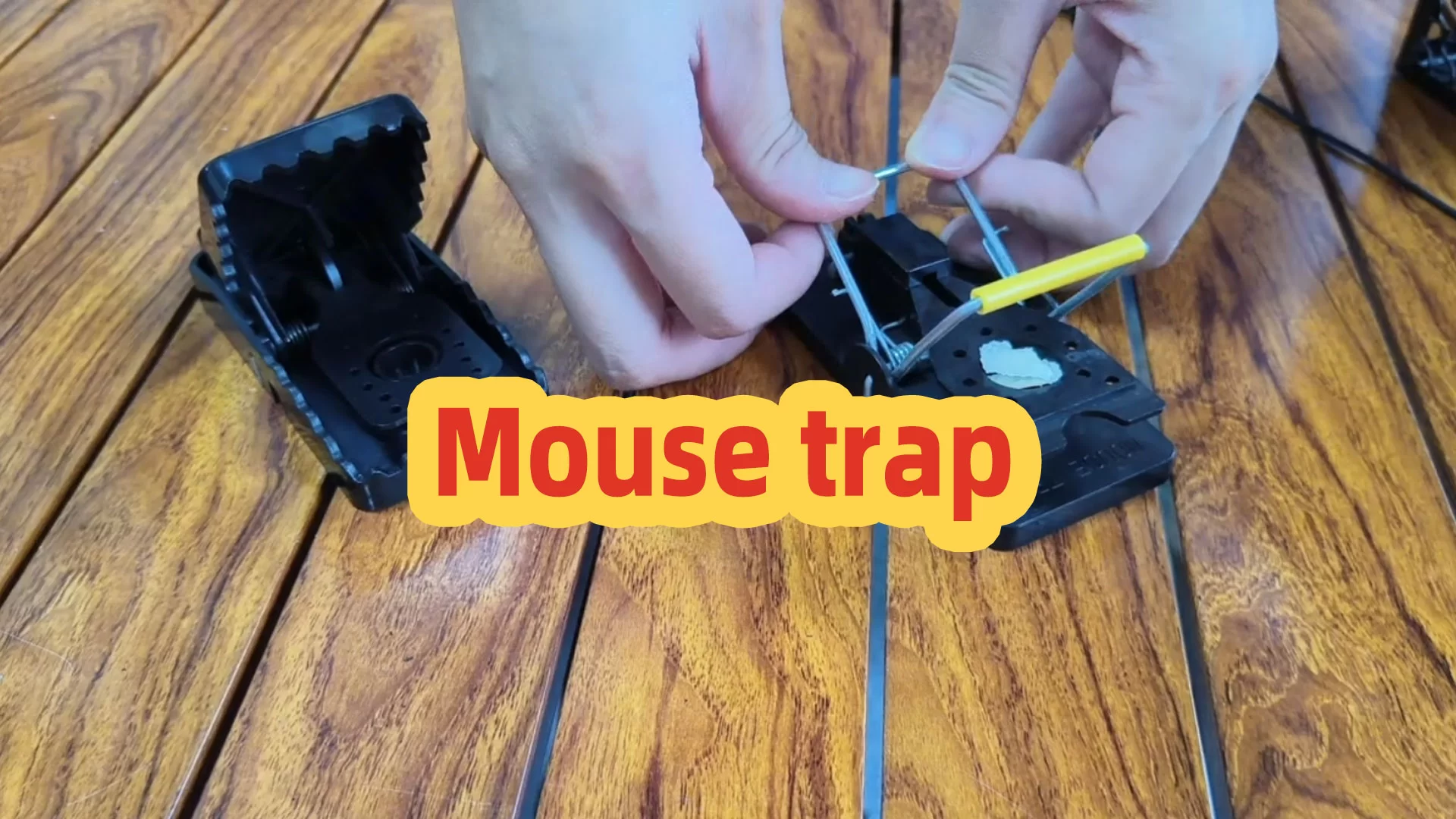
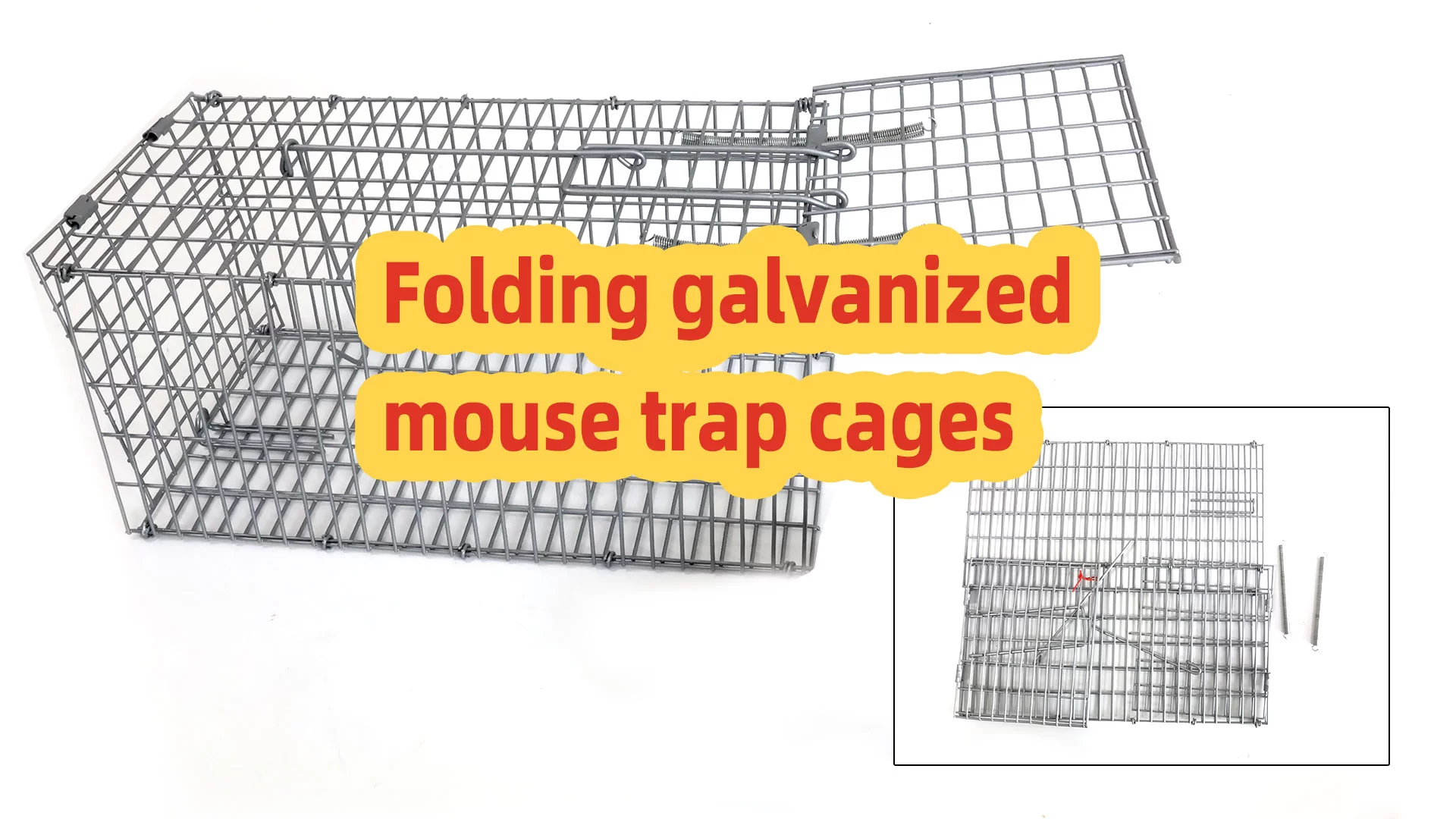
Rodent traps are crucial tools in safeguarding public health, agricultural yields, and property integrity globally. From urban centers battling infestations to rural communities protecting stored grains, the effective control of rodent populations is a constant need. Understanding the principles behind effective rodent trap design, deployment, and maintenance is essential for minimizing disease transmission, preventing structural damage, and ensuring food security. This understanding isn’t merely a matter of pest control; it’s a fundamental aspect of sustainable living and economic stability. The global market for rodent control, including rodent trap solutions, is substantial and growing, driven by factors like urbanization, climate change, and increased international trade which facilitate the spread of rodent populations. According to the World Health Organization, rodents are responsible for the transmission of numerous diseases, impacting millions worldwide annually.

Effective and Humane Wildlife Management with a small live trap

Feb 13, 26

Effective and Humane Wildlife Management with a small live trap

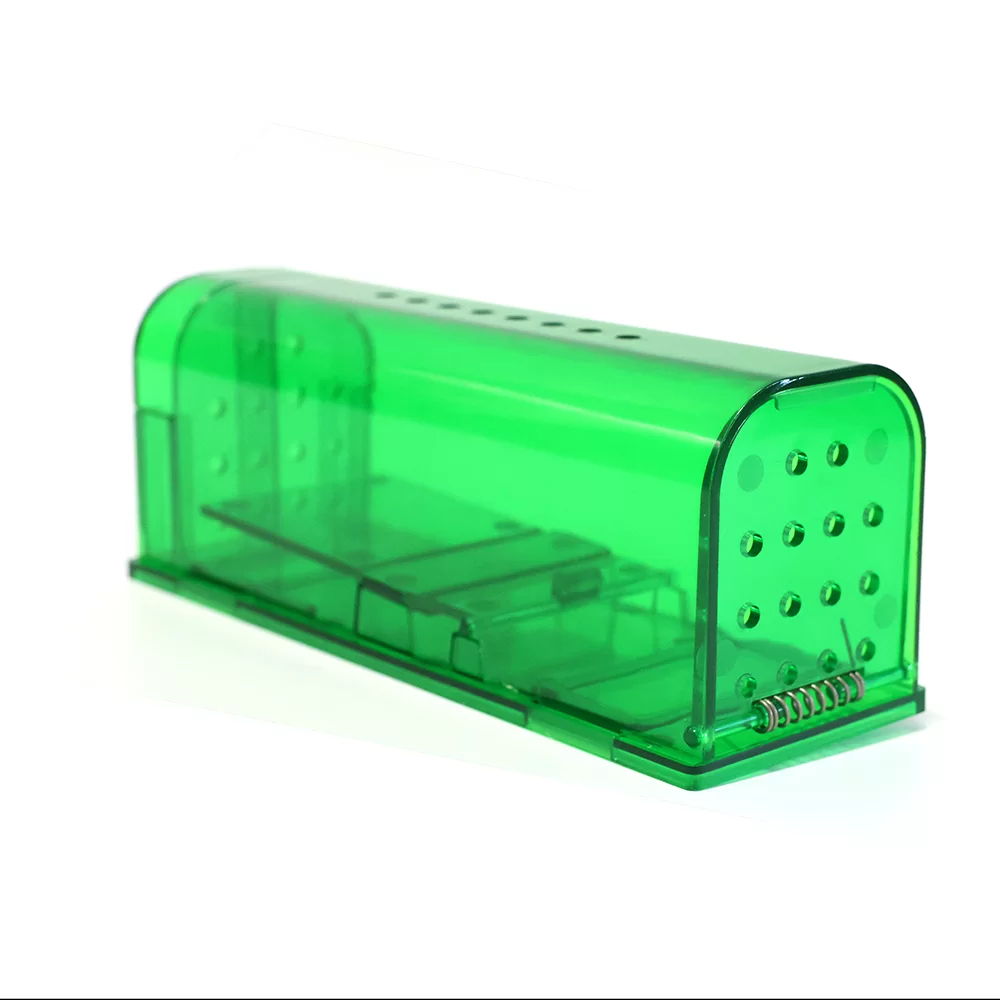
The ability to safely and humanely manage wildlife populations is crucial in a world increasingly impacted by human activity. A small live trap provides a non-lethal method for capturing and relocating animals, offering a solution for conflicts between humans and wildlife, and supporting conservation efforts. Its application extends from urban environments dealing with nuisance animals to rural settings requiring population monitoring. The global relevance of the small live trap is underscored by the growing pressures on ecosystems and the increasing need for sustainable coexistence. According to the UN Environment Programme, biodiversity loss is accelerating, and human-wildlife conflict is a significant threat to both wildlife and human livelihoods. Effective, humane, and readily deployable solutions like these are vital. The demand for effective and humane animal control solutions is projected to rise, driven by urbanization, agricultural expansion, and climate change.
The Versatile Applications of Leg Traps in Modern Wildlife Management and Engineering

Feb 15, 26

The Versatile Applications of Leg Traps in Modern Wildlife Management and Engineering

Leg traps, often associated with historical hunting practices, represent a surprisingly versatile and increasingly relevant technology in modern applications. While traditionally employed for capturing animals, the core principles of controlled engagement, reliable triggering mechanisms, and secure containment are being adapted for a range of critical functions, from wildlife management and invasive species control to innovative engineering solutions. Understanding the intricacies of leg traps, beyond their historical context, offers valuable insights into mechanics, material science, and responsible resource management. The global need for effective and adaptable capture and control mechanisms is growing. Climate change is shifting animal distributions, leading to increased human-wildlife conflict. Invasive species threaten biodiversity and agricultural productivity. Furthermore, advancements in engineering often require robust and reliable components for testing and containment.

If you are interested in our products, you can choose to leave your information here, and we will be in touch with you shortly.