Garden Rake Hacks: Master Leaf Cleaning Like a Pro This Fall

Dreading the endless pile of leaves cluttering your yard every autumn? A reliable garden rake is your secret weapon for a tidy outdoor space—and we’re here to show you how to use it like a pro! In this video, we’ll share essential tips on choosing the right rake for your garden, mastering efficient raking techniques to save time and energy, and clever ways to collect and dispose of leaves without the hassle.

Whether you have a small backyard or a large lawn, learn how to avoid back strain, organize leaf piles like a pro, and even repurpose fallen leaves for your garden. From selecting the best rake type (tine material, width, and design) to pro tricks for tackling wet or stubborn leaves, this guide has everything you need to turn leaf cleaning from a chore into a breeze.

Say goodbye to messy yards and hello to a pristine garden this fall! Watch now, hit like, subscribe, and drop your leaf-raking questions in the comments—we’re here to help you rake smarter, not harder!


​Anti Cat Mat Solutions For Cleaner And Scratch-Free Living Spaces

Mar 19, 26

​Anti Cat Mat Solutions For Cleaner And Scratch-Free Living Spaces

Keeping your home clean, organized, and free from unwanted scratching or digging behavior can be a challenge for any cat owner. Cats are naturally curious and territorial, often exploring countertops, digging in plants, or scattering litter beyond designated areas.
The Importance of Large Live Animal Traps in Wildlife Management and Conservation
Feb 17, 26

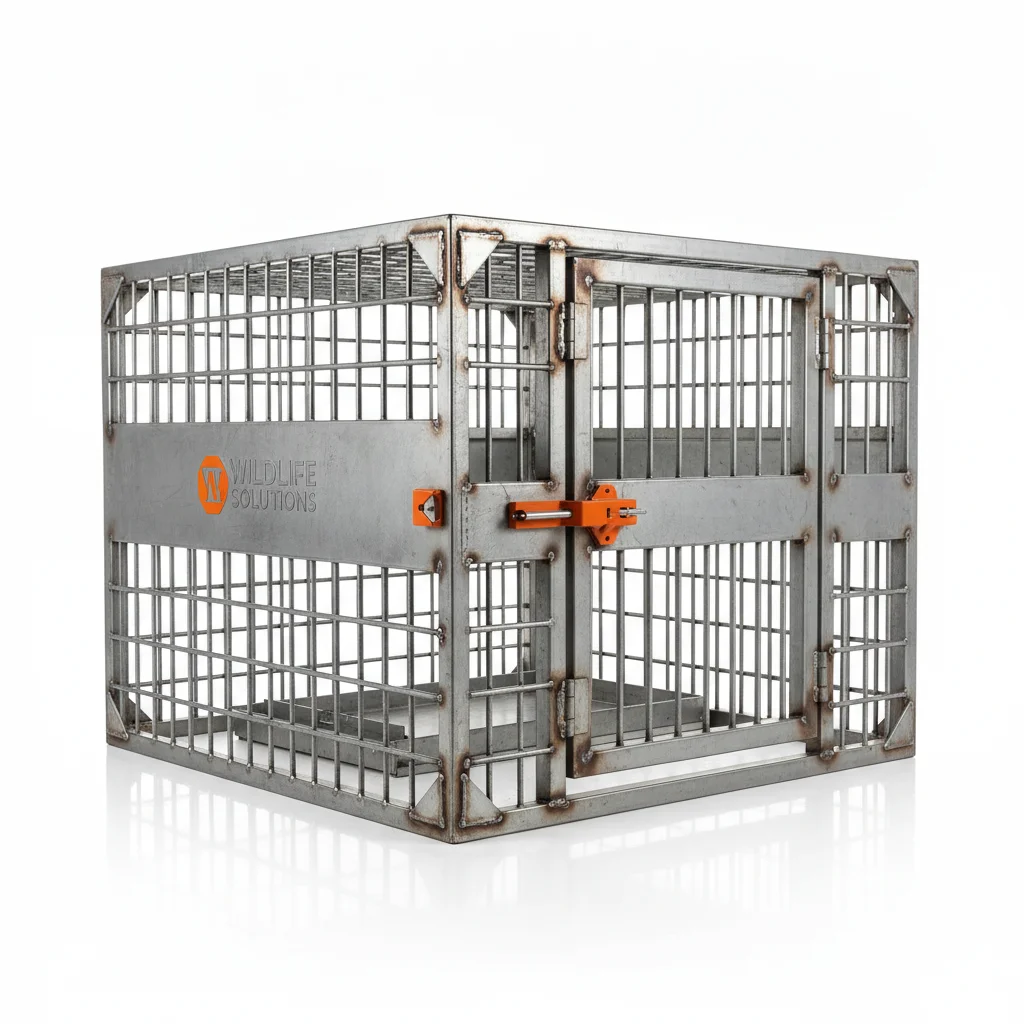
The Importance of Large Live Animal Traps in Wildlife Management and Conservation

Large live animal traps represent a critical yet often overlooked component of modern wildlife management, conservation efforts, and even public safety initiatives. Their increasing importance stems from a global need for humane and effective methods for managing animal populations, facilitating research, and responding to human-wildlife conflict. Understanding the nuances of these traps – their design, deployment, and ethical considerations – is paramount for professionals and citizens alike. The relevance of large live animal traps extends across diverse geographical regions and industries. From supporting wildlife research in the Amazon rainforest to mitigating crop damage by elephants in Africa, these tools play a vital role in maintaining ecological balance. Globally, the World Wildlife Fund estimates that human-wildlife conflict costs billions annually, underscoring the necessity for effective, non-lethal management strategies, of which live trapping is a key element. The benefits of properly utilized large live animal traps are multifaceted. They offer a humane alternative to lethal control methods, facilitate valuable data collection for conservation scientists, and allow for the relocation of animals away from areas of conflict.
Comprehensive Guide to Choosing the Best Kneeling Pad Seat for Gardening
Mar 08, 26

Comprehensive Guide to Choosing the Best Kneeling Pad Seat for Gardening

Choosing the Right Kneeling Pad Seat for Gardening: A C […]
Exploring Prefabrication and Material Choices at a Modern Mouse Trap Factory

Jan 31, 26

Exploring Prefabrication and Material Choices at a Modern Mouse Trap Factory

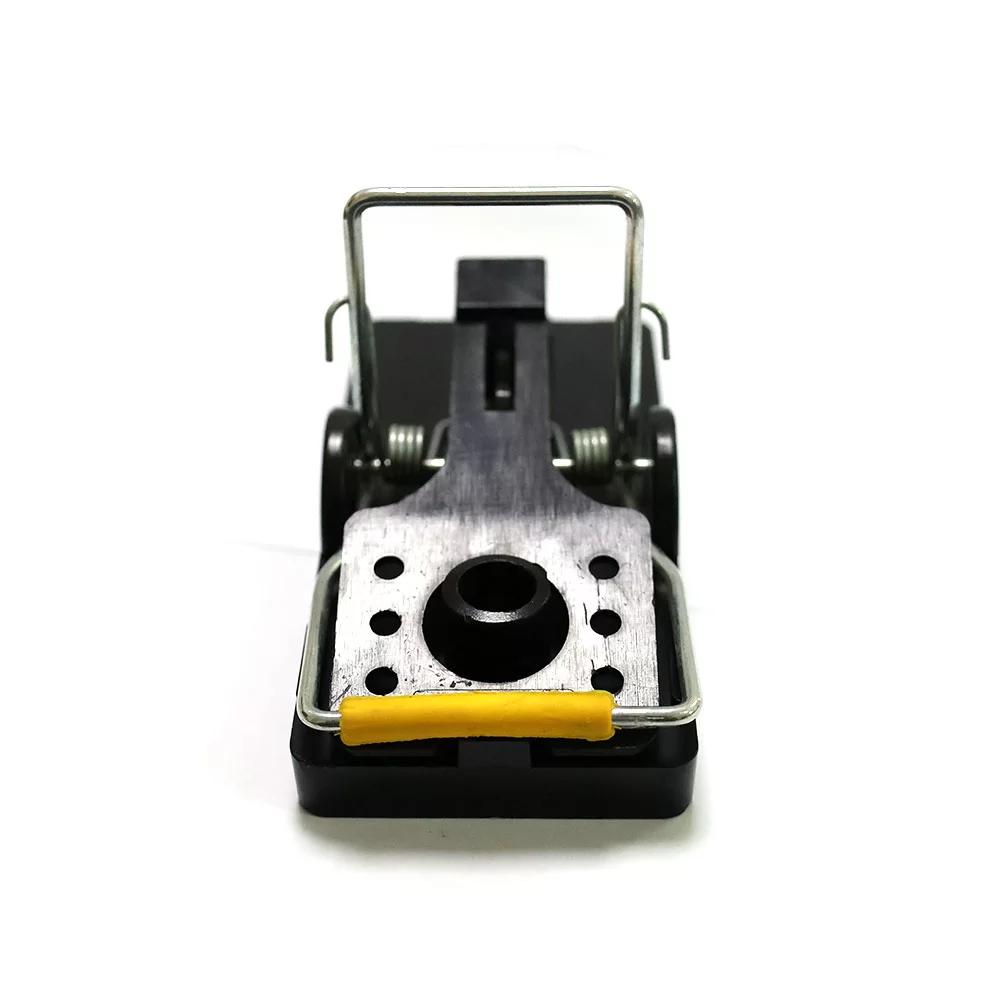
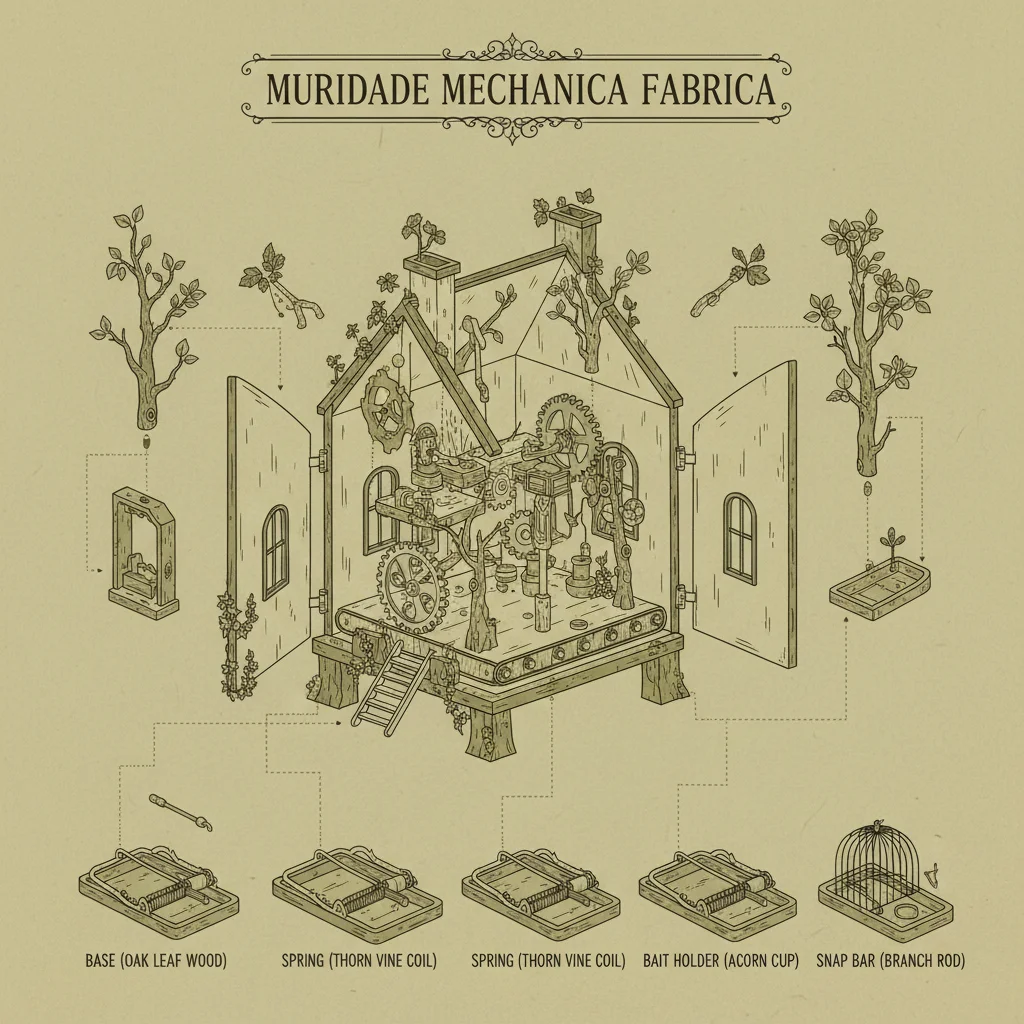
Honestly, the whole industry’s been buzzing about prefabrication. Everyone’s talking about modular designs, off-site construction... it's not new, mind you. We’ve been tinkering with this stuff for years. But now, with labor costs climbing and timelines shrinking, it’s finally getting some serious traction. It’s like everyone suddenly realized building things piece by piece in a factory is…well, more efficient. You wouldn’t think, right? You spend your whole career on a dusty construction site, then people tell you to move everything indoors. Seems backwards. But then you start looking at the details, and that’s when things get tricky. People think design is just about making it look good. It’s not. It's about making it work good, especially when you hand it to a guy who’s been swinging a hammer for twenty years and expects things to make sense. I've seen so many designs that looked great on paper, completely fall apart the moment someone tried to actually build them. We’re primarily working with a high-density polyethylene (HDPE) for the main body – it's tough, lightweight, and surprisingly forgiving. Smells a bit like… well, plastic, obviously. But a good grade HDPE, the stuff we source from that factory in Ningbo? It feels solid.

If you are interested in our products, you can choose to leave your information here, and we will be in touch with you shortly.